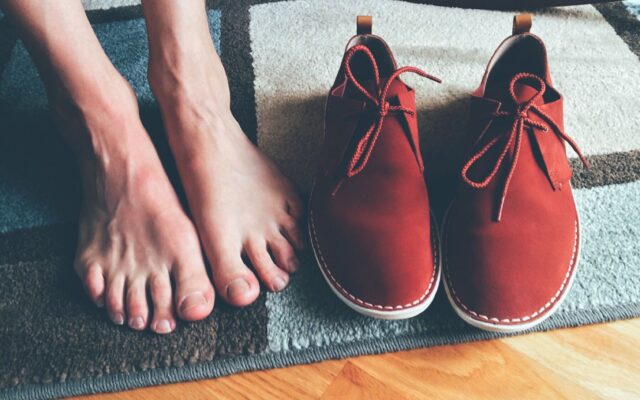
The best work socks for most people in 2027 are midweight merino-blend boot socks such as the Darn Tough Steely, which cushion the toes and heel, pull sweat away from the skin and outlast cheap cotton pairs many times over. For hot, sweaty jobs a synthetic sock like the Carhartt Force is cooler, and for very long shifts on concrete the heavily padded Thorlo 12-Hour Shift is hard to beat.
In this guide
Picks are based on published specifications and independent reviews, not our own testing.
Quick picks
| Sock | Main fibre | Best for |
|---|---|---|
| Darn Tough Steely Boot Midweight | Merino wool blend | Best overall, steel-toe boots |
| Carhartt Force Performance | Synthetic blend | Hot work and sweaty feet |
| Thorlo 12-Hour Shift | Acrylic blend | Maximum padding on hard floors |
| Fox River Steel-Toe Boot Sock | Wool or cotton blends | Toe protection at a fair price |
| Camel City Mill Wool Work Sock | Merino wool blend | Year-round comfort, US made |
| Timberland PRO crew socks | Cotton-poly blend | Reliable multi-pack |
| Dickies Dri-Tech crew socks | Synthetic-cotton blend | Lowest cost per pair |
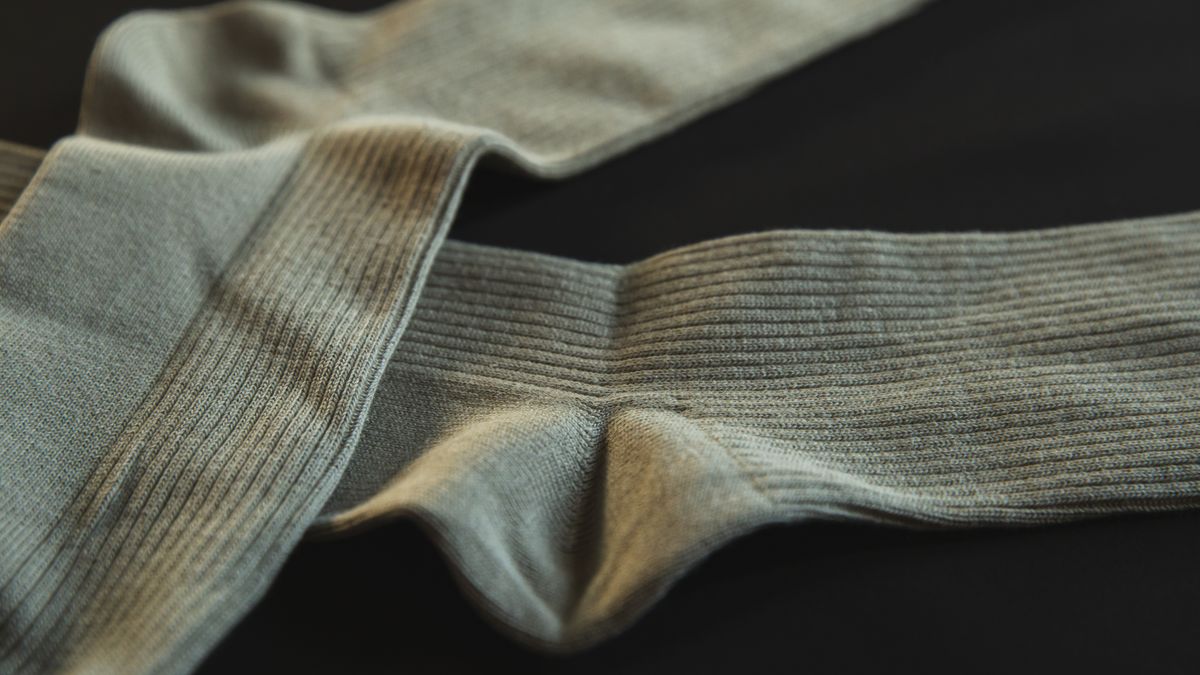
The best work socks for 2027
1. Darn Tough Steely Boot Midweight
Best for: daily wear in safety-toe boots
Knitted in Vermont from a dense merino-nylon blend, the Steely has extra padding over the toes where a steel cap rubs, full cushioning underfoot and a fit that does not slide down. Merino manages moisture and resists odour over a long shift. The brand backs its socks with an unconditional lifetime guarantee, which offsets the high price.
- Good: very durable, toe-box padding, odour resistant, guarantee
- Less good: expensive per pair; warm in peak summer
2. Carhartt Force Performance
Best for: hot conditions and heavy sweating
A lighter synthetic work sock with fast-wicking yarns, mesh vent panels over the top of the foot and odour control. It dries quickly and feels less bulky inside snug boots, and usually comes in multi-packs.
- Good: cool and quick-drying, good value in packs
- Less good: less cushioning than heavyweight boot socks
3. Thorlo 12-Hour Shift
Best for: long days standing on concrete
Thorlo is known for thick, sculpted padding under the heel and ball of the foot, and this model was designed for double shifts. It takes up some room, so it works best in boots with a little spare volume.
- Good: exceptional padding, reduces foot fatigue
- Less good: thick; can make tight boots tighter
4. Fox River Steel-Toe Boot Sock
Best for: steel-toe wearers on a moderate budget
A long-established US sock maker, Fox River reinforces the toe and heel and cushions the whole foot in its steel-toe socks, at a lower price than premium merino brands.
- Good: reinforced toe, solid durability, fair price
- Less good: bulkier feel; wool content varies by version
5. Camel City Mill Wool Work Sock
Best for: people who want a premium merino alternative
Made in North Carolina with fine merino, these have padding in the heel and toe, a supportive arch band and good breathability. One detailed independent review of work boot socks ranked them first.
- Good: soft, breathable, well cushioned
- Less good: premium price; fewer retailers
6. Timberland PRO crew socks
Best for: a dependable everyday multi-pack
Cotton-rich cushioned crew socks with moisture-wicking fibres, arch support and reinforced heel and toe, sold in packs. They are a sensible step up from basic athletic socks.
- Good: comfortable, good value, widely available
- Less good: cotton holds more moisture than wool or synthetics
7. Dickies Dri-Tech crew socks
Best for: stocking a whole week cheaply
Dickies multi-packs are the budget staple: cushioned soles, ventilation channels and arch compression at a very low cost per pair. They wear out sooner than premium socks but are easy to replace.
- Good: very cheap, breathable, plenty in a pack
- Less good: shorter life; cushioning packs down
Related: Best Slippers of 2027: 7 Warm, Supportive Picks
Wool, synthetic or cotton?
| Fibre | Strengths | Weaknesses | Best for |
|---|---|---|---|
| Merino wool blend | Regulates temperature, wicks, resists odour, stays warm when damp | Costly; slower to dry than synthetics | All seasons, long shifts |
| Synthetic blend | Dries fastest, durable, inexpensive | Can smell sooner | Hot, sweaty work |
| Cotton-rich | Soft, cheap | Holds sweat, loses cushioning when wet, more blisters | Light duty, dry conditions |
More detail in merino vs synthetic socks.
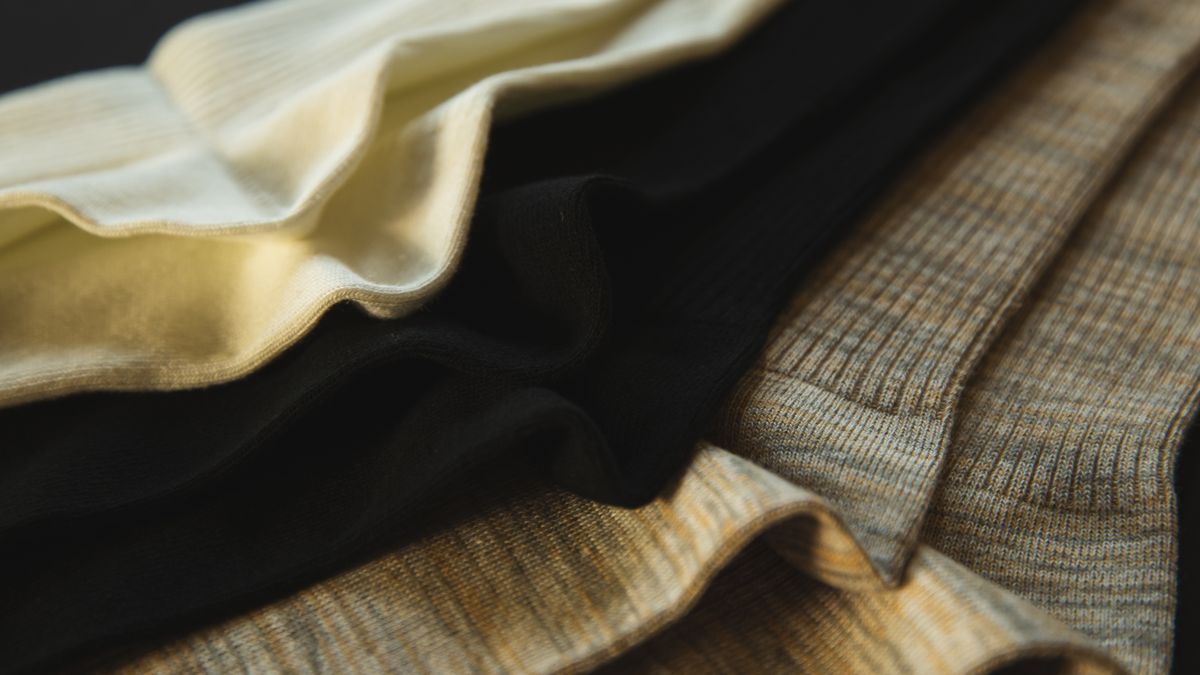
How to choose work socks
- Match thickness to your boots. Try boots on with the socks you will wear; see how to choose work boots.
- Safety toes: look for extra padding over the toes. Pairings for our best steel toe work boots and best work boots for concrete start here.
- Height: crew or over-the-calf socks should sit above the boot collar to prevent chafing.
- Fit: a sock that bunches causes blisters. Read how to prevent blisters.
- Tired legs: graduated compression socks are an option for long standing shifts.
- Dry boots overnight. Fresh socks in damp boots defeat the purpose; a boot dryer helps.
Frequently asked questions
What socks are best for work boots?
Midweight crew socks in a merino or synthetic blend with cushioning at the heel and toe and a snug, stay-up fit.
Are wool socks too hot for summer work?
Light and midweight merino breathes well and handles sweat better than cotton. In extreme heat a thin synthetic sock is cooler.
Why do my feet sweat so much in work boots?
Safety boots, especially waterproof ones, trap heat and moisture. Wicking socks, rotating two pairs of boots and drying them overnight make the biggest difference.
How many pairs of work socks do I need?
At least one pair per shift plus a couple of spares, so around seven to ten pairs for a five-day week.
How long do work socks last?
Budget cotton-blend socks may thin within a few months of weekly wear, while quality merino-nylon socks often last several years.