You lace up your sneakers, walk for ten minutes and your socks have slid down under your heel. Sneakers that “eat” socks are a common annoyance, especially with no-show and ankle socks. This guide explains why it happens and gives practical ways to stop your shoes from pulling your socks down.
In this guide
Short answer: Sneakers eat socks when your heel moves up and down inside the shoe and drags the sock with it. The usual causes are shoes that are a little too big or loose at the heel, socks that are too low or too thin, and slippery or worn heel linings. Try a runner’s loop lacing, socks with a silicone heel grip or a slightly higher cut, and heel grips if the shoe is roomy.
Why do my sneakers eat my socks?
Each time you step, your heel lifts a little inside the shoe. If the heel area is loose, the friction between the shoe lining and the sock pulls the sock down a bit with every step. After a few hundred steps, the sock ends up bunched under your arch.
This guide is based on published brand care and fit guidance, expert advice and common owner experiences. We have not been paid by any brand. Links to Amazon are affiliate links, which support the site at no extra cost to you.
| Cause | Signs | Fix |
|---|---|---|
| Shoe too big or loose at the heel | Heel lifts a lot when you walk | Runner’s loop lacing, heel grips, half size down next time |
| Socks too low | No-show socks barely cover the heel | Socks with a silicone heel grip or a low-cut style |
| Thin or worn sock heel | Old socks with stretched elastic | Replace with snug, newer socks |
| Slippery or worn heel lining | Lining is torn or smooth | Heel grip pads; repair the lining |
| Narrow heel, wider forefoot | Shoes fit in front but slip at back | Lacing tricks; brands with narrower heels |
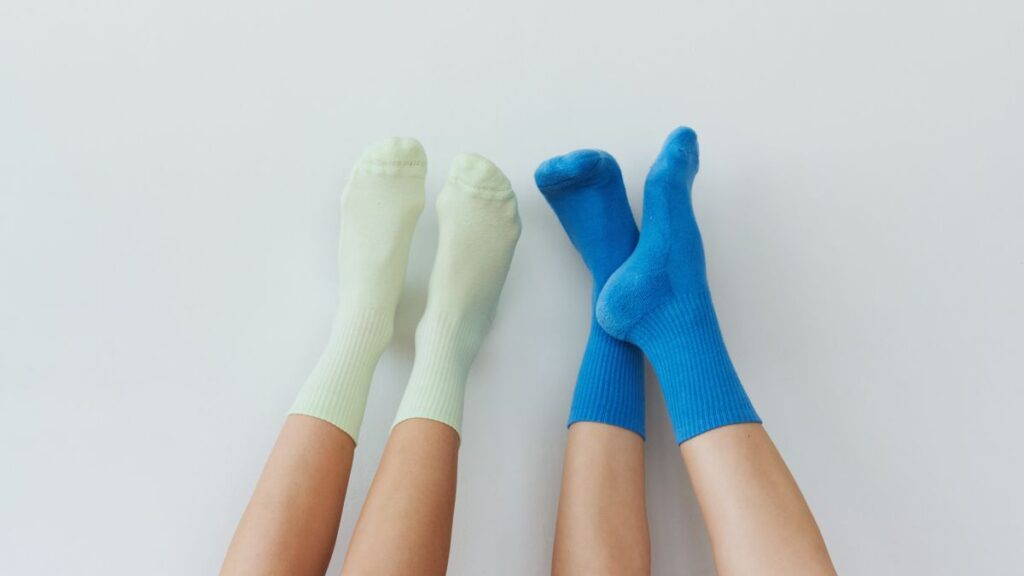
How to stop shoes from pulling socks down
- Use a runner’s loop (heel lock) lacing: thread each lace through the top spare eyelet on the same side to make a loop, cross the laces and pull them through the opposite loops. It holds the heel down.
- Choose no-show socks with a silicone strip inside the heel. The grip holds the sock to your skin.
- Try a slightly higher sock, such as a low-cut or ankle sock, that sits above the shoe collar.
- Add adhesive heel grip pads inside the back of the shoe to fill extra space.
- Make sure the sock size matches your foot; socks that are too big slide easily.
- If the shoe is clearly a size too big, use a thicker insole or consider returning it for a better size.
Best sock types for sneakers that eat socks
- No-show socks with a wide silicone heel grip.
- Low-cut socks that sit just above the shoe opening.
- Socks with a deep, Y-shaped heel pocket that stays in place.
- Blended socks with nylon and elastane that keep their shape.
Related: Best Shoe Deodorizers of 2027: 7 Ways to Beat the Smell
Products that stop socks slipping
No-show socks with silicone heel grip
Best for: low sneakers and loafers
A silicone strip inside the heel stops the sock sliding down.
- Good: Invisible in low shoes
- Less good: Grip wears out over time
Low-cut athletic socks
Best for: everyday sneakers
A slightly higher cut sits above the shoe collar.
- Good: Stays up better
- Less good: Visible above the shoe
Heel grip pads
Best for: shoes a little too big
Pads fill extra space at the back of the shoe.
- Good: Cheap; quick
- Less good: May peel off over time
Replacement insoles
Best for: roomy shoes
A thicker insole takes up extra volume in the shoe.
- Good: Adds comfort
- Less good: Can make the toe box tighter
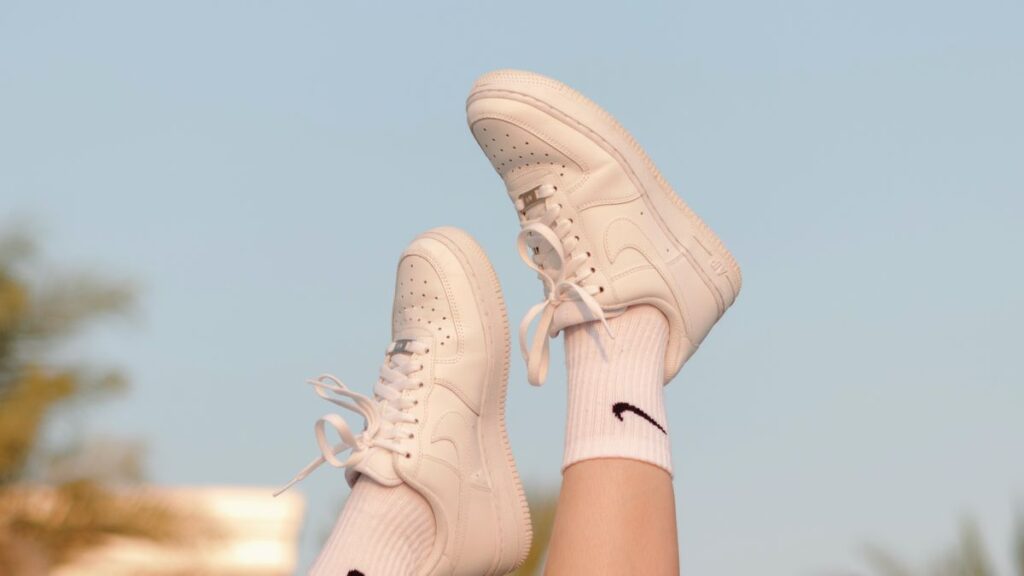
When the shoe is the problem
If you have tried better socks and lacing and the heel still slips, the shoe may simply not suit your heel shape. Some shoes have a wide, soft heel collar that does not hold narrow heels well. When you shop next time, try shoes on with the socks you plan to wear and walk around to check for heel lift.
Note: if heel slipping causes blisters, cover hot spots with blister tape and fix the fit before your next long walk.
Related guides
Learn how to keep your feet from sliding forward in shoes.
Frequently asked questions
Why do my sneakers eat my socks?
Your heel lifts inside the shoe and the friction pulls the sock down a little with every step, usually because the heel area is loose or the socks are too low.
How do I stop my shoes from pulling my socks down?
Use runner’s loop lacing, no-show socks with silicone heel grips, a slightly higher sock or heel grip pads.
Why do no-show socks fall off in sneakers?
They cover only a small part of the heel, so any heel movement drags them down. Choose pairs with a wide silicone grip.
Does sizing down stop socks slipping?
It can help if the shoe is too big, but only size down if the toes still have enough room.
What socks stay up in sneakers?
Socks with a silicone heel strip, a deep heel pocket, or a cut that sits above the shoe collar stay up best.