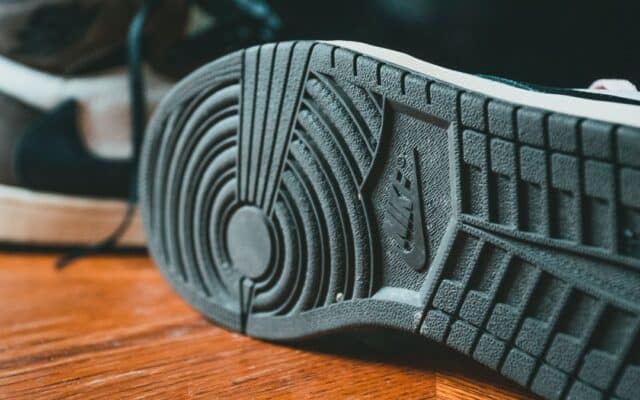

Teachers spend most of the day standing and walking on hard floors, so the best shoes for teaching are cushioned, supportive, grippy and smart enough for the school’s dress code. In practice that means supportive flats and loafers, low block heels, leather or smart sneakers, cushioned Oxfords and ankle boots, and trainers for PE and playground duty.
In this guide
Shoe types that work in the classroom
| Type | Why it works | Watch out for |
|---|---|---|
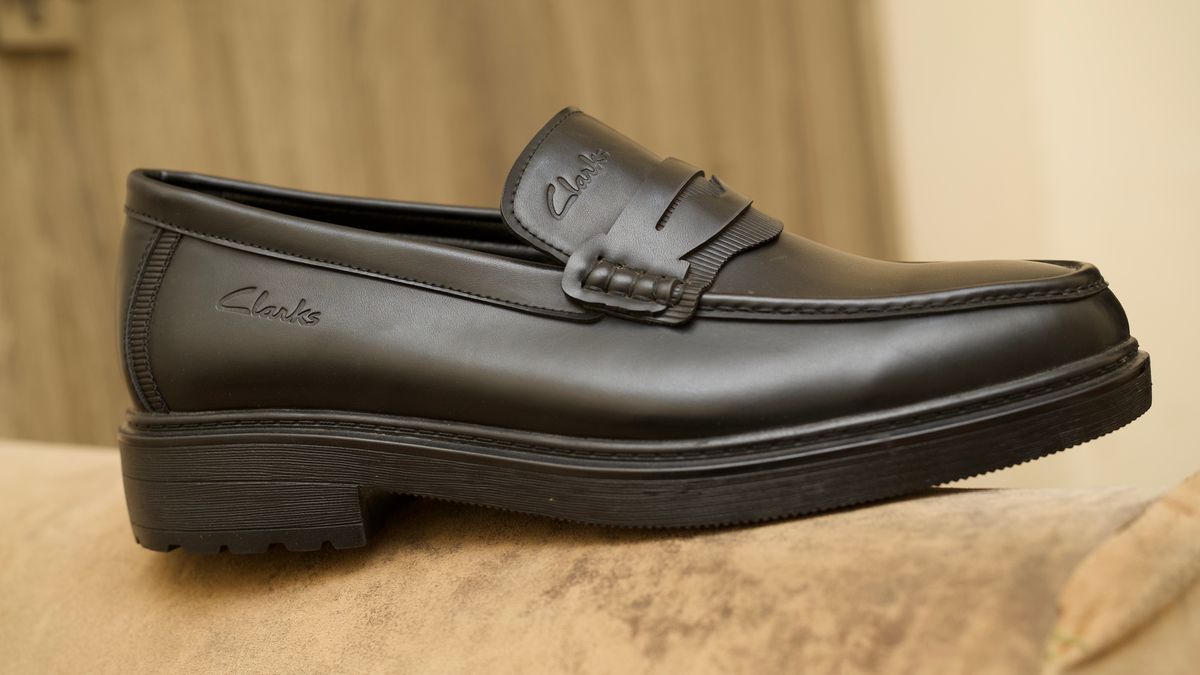
| Loafers and supportive flats | Smart, easy on and off | Thin soles with no arch support |
| Smart leather or knit sneakers | The most cushioning and support | Check they meet the dress code |
| Oxfords and Derbies with rubber soles | Formal look with grip and cushioning | Stiff leather that needs breaking in |
| Low block heels and wedges | Dressy without overloading the forefoot | Heels over about 4 to 5 cm |
| Ankle and Chelsea boots | Supportive and warm in winter | Slippery leather soles |
| Clogs and comfort slip-ons | Roomy, supportive, good for long standing | Loose backless styles on stairs |
| Trainers | Essential for PE and active lessons | Worn-out cushioning |
What to look for
- Cushioning. A shock-absorbing midsole reduces fatigue on concrete and vinyl floors.
- Arch support. Either built in, or room for a supportive insole.
- A stable, low heel. Completely flat, thin shoes strain the arch and calf; high heels overload the ball of the foot.
- A wide enough toe box. Feet swell during the day.
- Grip. Rubber soles for corridors, stairs, science labs and wet playgrounds. See what slip-resistant shoes are.
- Closed toes. Often required, and sensible around desks, equipment and small feet.
- Breathable, easy-care uppers. Leather and knit breathe better than plastic.
- Light weight.
Choosing by role
- Early years and primary: you will be up and down from the floor all day. Flexible sneakers or slip-ons that stay on securely.
- Secondary and lecture-based teaching: long periods standing still. Prioritise cushioning and arch support.
- PE: proper sports shoes for the activity; see what training shoes are.
- Science, art and workshops: closed, wipe-clean, slip-resistant shoes.
- Playground and outdoor duty: weather-resistant shoes or boots with tread.
Related: Best Steel Toe Work Boots of 2026: 7 Tough Picks
What to avoid
- High heels and pointed toes for full days.
- Flip flops, backless mules and loose sandals.
- Paper-thin ballet flats with no support.
- Smooth leather soles on polished corridors.
- Brand-new shoes on the first day of term. Break them in first; see how to break in new shoes.
Getting the fit right
- Shop at the end of the day, when your feet are at their largest.
- Leave a thumb’s width in front of your longest toe.
- Check width as well as length; see how to measure your shoe size and shoe widths explained.
- Make sure your heel does not slip in slip-on styles.
Comfort tips for long days
- Rotate two or three pairs through the week so each can dry out and recover.
- Replace insoles once or twice a year, or add supportive ones.
- Keep a spare pair at school for wet days.
- Stretch your calves at break time and sit when you can.
- Replace shoes when the cushioning flattens or the tread wears smooth.
If your feet ache regularly, see our guides to flat feet and ball-of-foot pain, and consider seeing a podiatrist. Many of the same principles apply in healthcare; see what shoes nurses wear.
On hard floors all day? Read our tips on walking on concrete and foot pain.
Looking for recommendations? See the best shoes for standing all day.
Frequently asked questions
Can teachers wear sneakers?
In many schools, yes, especially plain leather or dark styles. Check your school’s dress code.
Are flats good for standing all day?
Only if they have cushioning and arch support. Very thin, flat shoes can cause arch and heel pain.
What heel height is comfortable for teaching?
A low block heel or wedge of up to about 4 to 5 cm. Higher heels put too much pressure on the forefoot for a full day.
How often should teachers replace their shoes?
Shoes worn most days typically need replacing every 6 to 12 months, depending on build quality.