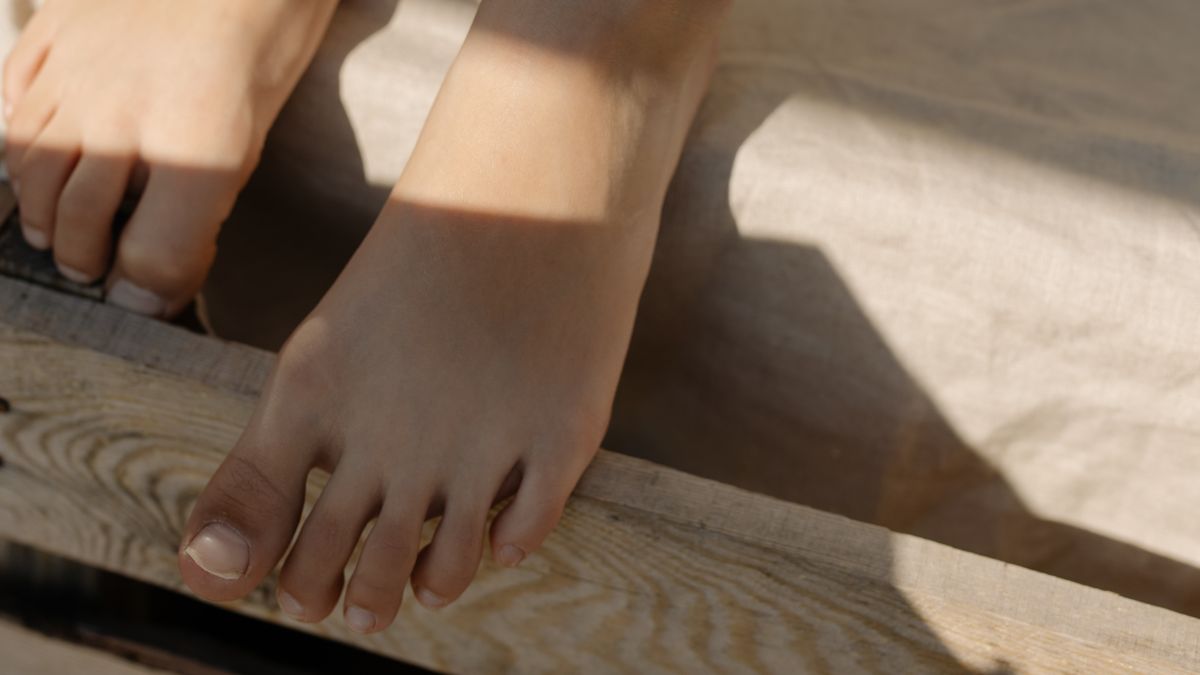
A bunion is a bony bump on the inner side of the foot at the base of the big toe. It forms when the big toe gradually leans toward the second toe and the joint behind it pushes outward. Roomy shoes with a wide toe box, padding, and simple measures such as ice can ease the pain and may slow things down, but they do not straighten the toe. Only surgery corrects a bunion, and it is usually reserved for pain that does not respond to other measures.
In this guide
This article is general information, not medical advice. A podiatrist or doctor can confirm what is causing your foot pain and suggest treatment that suits you.
How do you know if you have a bunion?
- A visible bump on the inside edge of the foot at the big toe joint
- The big toe angling toward, or crossing over or under, the second toe
- Redness, swelling or soreness around the joint, often after wearing tight shoes
- Hard skin or a callus where the first and second toes rub
- Stiffness or reduced movement in the big toe
- Shoes that used to fit now feeling tight across the forefoot
A similar, smaller bump at the base of the little toe is called a tailor’s bunion or bunionette.
What causes bunions?
- Inherited foot shape and mechanics. Bunions often run in families.
- Footwear. Narrow, pointed and high-heeled shoes do not seem to be the root cause in most people, but they squeeze the forefoot, make symptoms worse and may speed up progression.
- Flat feet and loose joints, which let the forefoot spread.
- Inflammatory joint conditions such as rheumatoid arthritis.
Can you stop a bunion from getting worse?
You cannot reverse a bunion without surgery, but many people keep symptoms under control for years. These measures reduce pressure on the joint:
| Measure | How it helps |
|---|---|
| Shoes with a wide, deep toe box | Removes pressure and rubbing on the bump |
| Low heels (under about 4 cm) | Keeps weight off the forefoot |
| Soft, stretchy uppers | Give around the joint instead of pressing on it |
| Bunion pads or gel sleeves | Cushion the bump inside the shoe |
| Toe spacers | Reduce rubbing between the first and second toes |
| Arch supports or orthotics | May improve foot position if you have flat feet |
Related: Best Insoles for Standing All Day in 2027: 6 Picks
Easing bunion pain at home
- Change your shoes first. This is the single most effective step. Have your feet measured, including width; see how to measure your shoe size and shoe widths explained.
- Ice wrapped in a cloth for 10 to 15 minutes when the joint is sore and swollen.
- Protect the bump with a non-medicated bunion pad.
- Gentle exercises: toe spreads, picking up a towel with your toes, and slowly moving the big toe up, down and away from the others to keep the joint mobile.
- Pain relief: ask a pharmacist or doctor what is suitable for you.
- Keep to a healthy weight, which reduces load on the forefoot.
Splints and “bunion correctors” worn at night may ease discomfort for some people, but studies have not shown that they permanently straighten the toe.
Choosing and adapting shoes
- Shop late in the day and fit the larger foot.
- Look for a rounded or square toe, seam-free over the bump.
- Leather shoes can be stretched over the joint by a cobbler or with a stretcher and bunion plug; see how to stretch shoes.
- If you wear heels, choose a low block heel and a round toe, and keep them for short occasions. More tips are in how to make heels more comfortable.
When to see a doctor or podiatrist
- Pain that continues despite changing your shoes
- Difficulty walking or finding shoes that fit
- A big toe that is stiff or overlapping other toes
- Signs of infection, such as broken skin, warmth or discharge
- Any foot problem if you have diabetes or poor circulation
They may recommend insoles, physiotherapy or, if pain remains significant, an assessment for surgery.
Need more toe room? The best walking shoes guide includes a wide toe box option.
Flat feet and bunions often go together; see the best shoes for flat feet.
For specific models, see the best shoes for bunions in 2027.
Frequently asked questions
Can bunions go away on their own?
No. The bump does not disappear without surgery, but symptoms often improve a great deal with wider shoes and padding.
Do bunion correctors work?
They may relieve discomfort while worn, but there is no good evidence that they permanently correct the toe.
Do tight shoes cause bunions?
They are not thought to be the main cause in most people, but they aggravate bunions and may make them progress faster.
What shoes are best for bunions?
Shoes with a wide, deep, soft toe box, a low heel and good arch support, in the correct width for your foot.