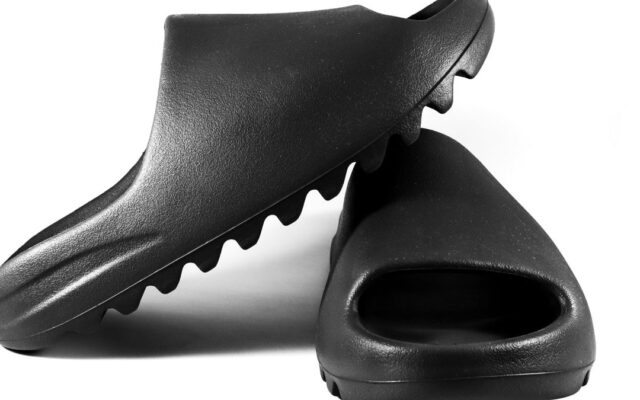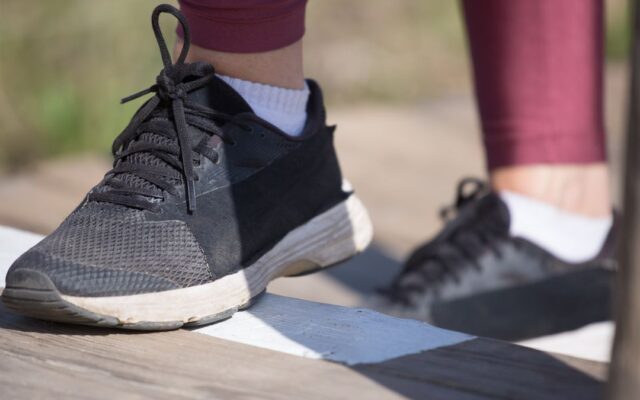
The best shoes for metatarsalgia in 2027 have a rocker-shaped sole, thick forefoot cushioning, a wide toe box and a low heel, and the HOKA Bondi 9 is the model podiatry sources recommend most often. Metatarsalgia is pain under the ball of the foot. A stiff, curved sole rolls you over the sore area instead of bending at it, cushioning spreads the load, and extra width stops the forefoot being squeezed.
In this guide
Important: this guide is general information, not medical advice. Ball-of-foot pain has several causes, including nerve irritation, stress fractures and joint problems, so see a podiatrist or doctor if it lasts more than a few weeks, is severe, or you have diabetes. Picks are based on published specifications and independent reviews, not our own testing. For the condition itself, read what is metatarsalgia?
Quick picks
| Shoe | Key feature | Best for |
|---|---|---|
| HOKA Bondi 9 | Maximum cushioning, rocker | Best overall for walking and standing |
| Brooks Ghost Max | Wide base, rocker, roomy fit | Stable max-cushion alternative |
| HOKA Clifton | Lighter rocker trainer | Running and brisk walking |
| New Balance Fresh Foam X 1080 | Soft foam, many widths | Wide or narrow feet |
| Altra Torin | Foot-shaped toe box | Toes that feel squeezed |
| Dansko Professional | Rigid rocker clog | Work and dress codes |
| Skechers Max Cushioning | Thick soft sole at a lower price | Tight budgets |
The best shoes for metatarsalgia in 2027
1. HOKA Bondi 9
Best for: everyday walking and long periods standing
The Bondi combines the thickest cushioning in the HOKA range with a pronounced rocker and a broad platform, which is why it leads most podiatrist lists for forefoot pain. The sole is stiff enough that the forefoot barely bends, and wide and extra-wide sizes leave space for a metatarsal pad.
- Good: deep forefoot cushioning, effective rocker, wide sizes
- Less good: bulky; foam softens over time; premium price
2. Brooks Ghost Max
Best for: people who want cushioning with a steadier feel
A high-stack shoe on a very wide base with a rocker that Brooks designed to reduce movement at the forefoot and ankle. The toe box is roomier than in many trainers and it accepts orthotics easily.
- Good: stable platform, roomy forefoot, smooth roll
- Less good: heavy; not built for fast running
3. HOKA Clifton
Best for: runners and active walkers
Lighter and more flexible than the Bondi while keeping a rocker and generous cushioning. It suits people who still want to run or walk briskly and find maximal shoes too much.
- Good: light for its cushioning, smooth ride, wide option
- Less good: less forefoot protection than the Bondi
4. New Balance Fresh Foam X 1080
Best for: hard-to-fit widths
A soft, well-cushioned neutral trainer with a gentle rocker and one of the best width ranges on the market, from narrow to extra-wide. A stretchy knit upper is forgiving over bunions and swollen joints.
- Good: many widths, plush foam, comfortable upper
- Less good: softer and less stable than a stiff rocker shoe
5. Altra Torin
Best for: forefeet that are compressed in ordinary shoes
If squeezing makes your pain worse, the foot-shaped toe box on the Torin lets the metatarsal heads spread out, with ample cushioning underneath. It is zero drop, which takes weight off the forefoot compared with a raised heel but needs a gradual switch.
- Good: very roomy toe box, cushioned, level platform
- Less good: zero drop requires adaptation; less rocker than HOKA
6. Dansko Professional
Best for: workplaces that need a smart closed shoe
A firm clog with a rigid rocker bottom, so the forefoot does not have to bend at all, plus a roomy toe box and strong arch support. Popular with nurses, teachers and chefs.
- Good: rigid rocker, supportive, wipe-clean leather
- Less good: firm underfoot; raised heel is higher than in trainers
7. Skechers Max Cushioning
Best for: a lower-cost thick-soled shoe
Skechers offers a thick, soft midsole with a rocker shape at a noticeably lower price than the specialist running brands, and several models come in wide sizes or with a supportive Arch Fit insole.
- Good: affordable, soft, easy to find
- Less good: foam compresses sooner; less stable for heavier users
Related: Best Barefoot Dress Shoes 2027 for Work and Events
What helps and what to avoid
| Choose | Why | Avoid |
|---|---|---|
| Rocker sole, stiff forefoot | Reduces bending and peak pressure under the metatarsal heads | Thin, very flexible soles |
| Thick forefoot cushioning | Absorbs impact | Hard leather soles on hard floors |
| Wide, deep toe box | Stops the forefoot being squeezed | Pointed or narrow toes |
| Low heel | Keeps weight off the forefoot | High heels |
| Removable insole | Room for a metatarsal pad or orthotic | Shallow shoes with glued-in footbeds |
| Secure midfoot | Prevents the foot sliding forward | Loose slip-ons and flip-flops |
More on the sole design in what is a rocker sole? and on toe room in best wide toe box shoes.
Extra steps that help
- Metatarsal pads: a small dome placed just behind the sore spot, not under it, shifts pressure off the metatarsal heads. Positioning is easier with professional guidance; see also how to choose insoles and our best insoles for standing all day.
- Limit heels. If you must wear them, choose a low block heel with a platform; tips are in how to make heels more comfortable.
- Do not go barefoot on hard floors during a flare-up.
- Check for related problems such as bunions, which change how the forefoot is loaded; see bunions: signs, causes and relief.
- Replace worn shoes once the forefoot cushioning has flattened.
On your feet all day? See best shoes for standing all day.
Frequently asked questions
What shoes are best for ball of foot pain?
Shoes with a rocker sole, thick forefoot cushioning, a wide toe box and a low heel. Max-cushion trainers and rocker-bottom clogs are the usual choices.
Are HOKA shoes good for metatarsalgia?
Many people with forefoot pain find them helpful because of the cushioning and rocker shape. Fit and comfort still vary, so try them first.
Do metatarsal pads work?
They often help by moving pressure away from the painful area, but placement matters. If one makes pain worse, reposition it slightly further back or seek advice.
Are zero-drop shoes good for metatarsalgia?
A level platform puts less weight on the forefoot than a raised heel, and wide toe boxes help. Choose a cushioned model and transition gradually.
How long does metatarsalgia take to heal?
Mild cases often improve within a few weeks of changing footwear and reducing impact. See a professional if there is no improvement after four to six weeks.