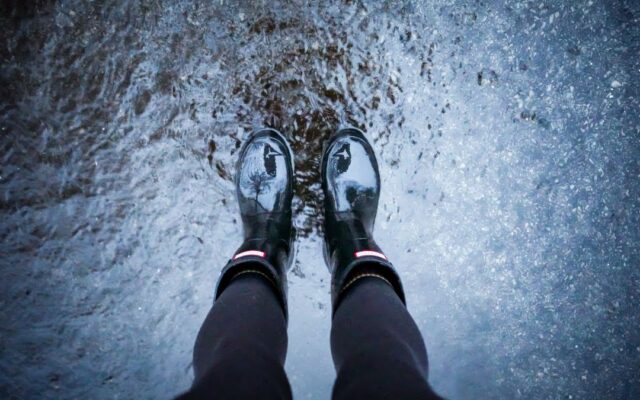
To choose trail running shoes, start with the terrain you run on most, then match four things to it: lug depth for grip, cushioning for distance and comfort, protection for rocks and roots, and a fit that locks the heel while leaving a thumb width at the toes. Smooth park trails need little more than a road shoe with extra tread; steep, muddy or rocky routes call for deeper lugs, a rock plate and a tougher upper.
In this guide
Step 1: Match the shoe to your terrain
| Terrain | Lug depth | Cushioning | Protection | Shoe type |
|---|---|---|---|---|
| Gravel paths, park trails, road-to-trail | 2 to 3 mm | Moderate to high | Light | Hybrid or door-to-trail |
| Hard-packed dirt, rolling forest trails | 3 to 4 mm | Moderate | Toe bumper | All-round trail shoe |
| Rocky, rooty, technical ground | 4 to 5 mm, sticky rubber | Moderate, stable | Rock plate, reinforced upper | Technical or mountain shoe |
| Mud, wet grass, soft ground | 5 to 8 mm, widely spaced | Low to moderate | Snug, secure upper | Soft-ground or fell shoe |
| Long ultras on mixed terrain | 3 to 5 mm | High | Rock plate, roomy toe box | Max-cushion trail shoe |
Not sure you need trail shoes at all? Read trail running shoes vs road running shoes.
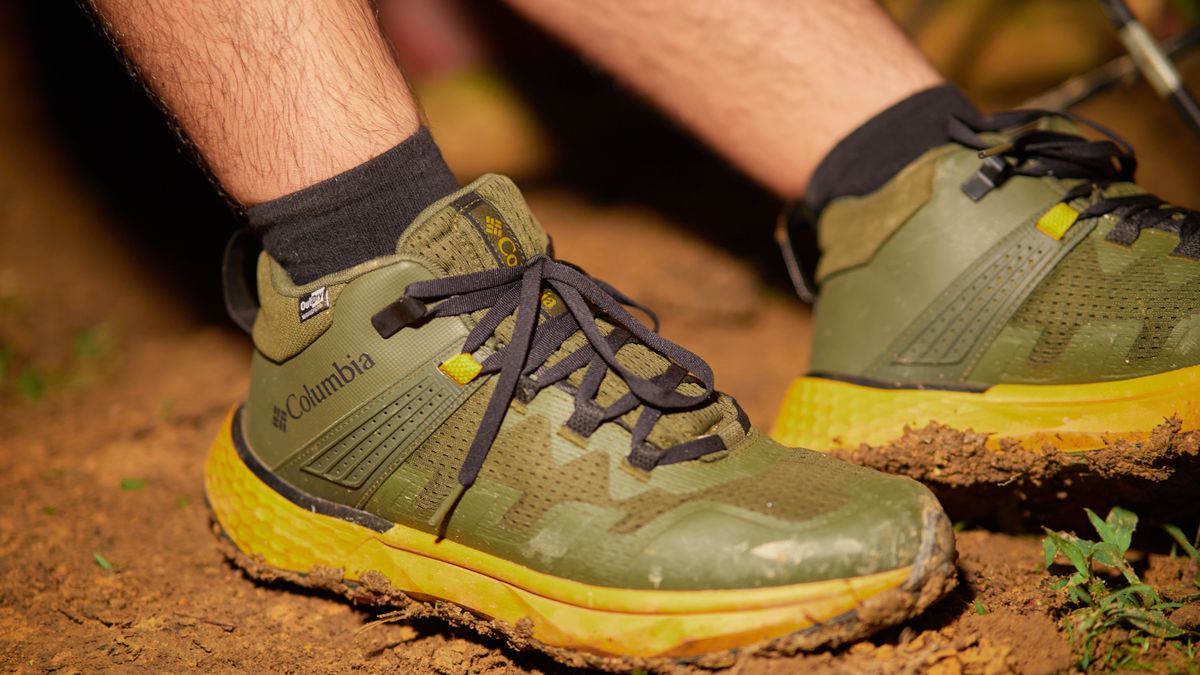
Step 2: Choose the outsole
- Lug depth: deeper grips better in soft ground but feels clumsy and wears quickly on hard surfaces.
- Lug spacing: wide gaps clear mud; closely spaced lugs give more contact on rock and hardpack.
- Rubber compound: softer, stickier rubber holds wet rock but wears faster; harder rubber lasts longer on abrasive trails.
- Braking lugs: reversed lugs at the heel help on steep descents.
Step 3: Decide on cushioning and drop
| Cushioning level | Feels like | Best for | Trade-off |
|---|---|---|---|
| Minimal | Close to the ground, very flexible | Short runs, strong feet, soft ground | Little protection; needs adaptation |
| Moderate | Balanced, good ground feel | Most runners and distances | Few |
| Maximum | Thick, soft, protective | Long distances, hard trails, sore joints | Less stable on uneven ground; heavier |
Heel-to-toe drop on trail shoes ranges from zero to about 10 mm. Stay close to what you already run in, and change gradually if you want something lower. Details in heel-to-toe drop explained.
Related: What Are Golf Shoes? Spiked vs Spikeless Explained
Step 4: Check protection and stability
- Rock plate: a thin, flexible layer in the forefoot that stops sharp stones bruising the foot. Worth having on rocky trails.
- Toe bumper: a rubber cap for kicked rocks and roots.
- Upper: tighter, tougher mesh and overlays resist abrasion and keep grit out; gaiter attachment points are a bonus.
- Stability: a wider base, firmer midsole and secure midfoot wrap help on uneven ground. Very tall, soft shoes can feel tippy on technical terrain.
Step 5: Get the fit right
- Length: a thumb width in front of your longest toe. Feet swell on long runs and slide forward on descents.
- Heel and midfoot: locked in with no lift or side-to-side movement.
- Toe box: room to spread the toes, especially for long distances; see best wide toe box shoes.
- Try them late in the day with your running socks, and jog on a slope if the shop has one.
- Lacing: use a heel lock for descents; see how to lace running shoes.
General fit rules are in how running shoes should fit.
Step 6: Waterproof or not?
| Conditions | Choose | Why |
|---|---|---|
| Cold, wet grass, snow, winter mud | Waterproof membrane | Keeps feet warmer and drier |
| Warm weather, stream crossings, long runs | Non-waterproof mesh | Breathes better and drains and dries quickly |
| Mixed, one pair only | Non-waterproof | More versatile; pair with wool socks |
The trade-offs are covered in Gore-Tex shoes: pros and cons. Good socks matter either way; see best hiking socks.
Quick checklist
- Lugs suit my usual terrain
- Cushioning matches my distances
- Rock plate if trails are stony
- Thumb width at the toes, no heel lift
- Stable when I stand on one leg and lean
- Drop similar to my current shoes
- Comfortable straight away
Ready for specific models? See our best trail running shoes. If you plan to hike in them as well, compare hiking boots vs trail runners. After muddy runs, follow how to clean running shoes.
Frequently asked questions
What should I look for in trail running shoes?
Grip suited to your terrain, enough cushioning for your distance, protection from rocks, and a secure fit with room at the toes.
Should trail running shoes be a size bigger?
Many runners go up half a size from their everyday shoe to leave a thumb width at the toes for swelling and downhills. Do not go so large that the heel or midfoot is loose.
How deep should lugs be?
About 2 to 4 mm for hard-packed and mixed trails, and 5 mm or more for mud and soft ground.
Do I need a rock plate?
On stony or technical trails it adds useful protection. On smooth dirt and grass you can do without one.
How long do trail running shoes last?
Typically 300 to 500 miles. Replace them when the lugs are worn down, the midsole feels flat or the upper tears.