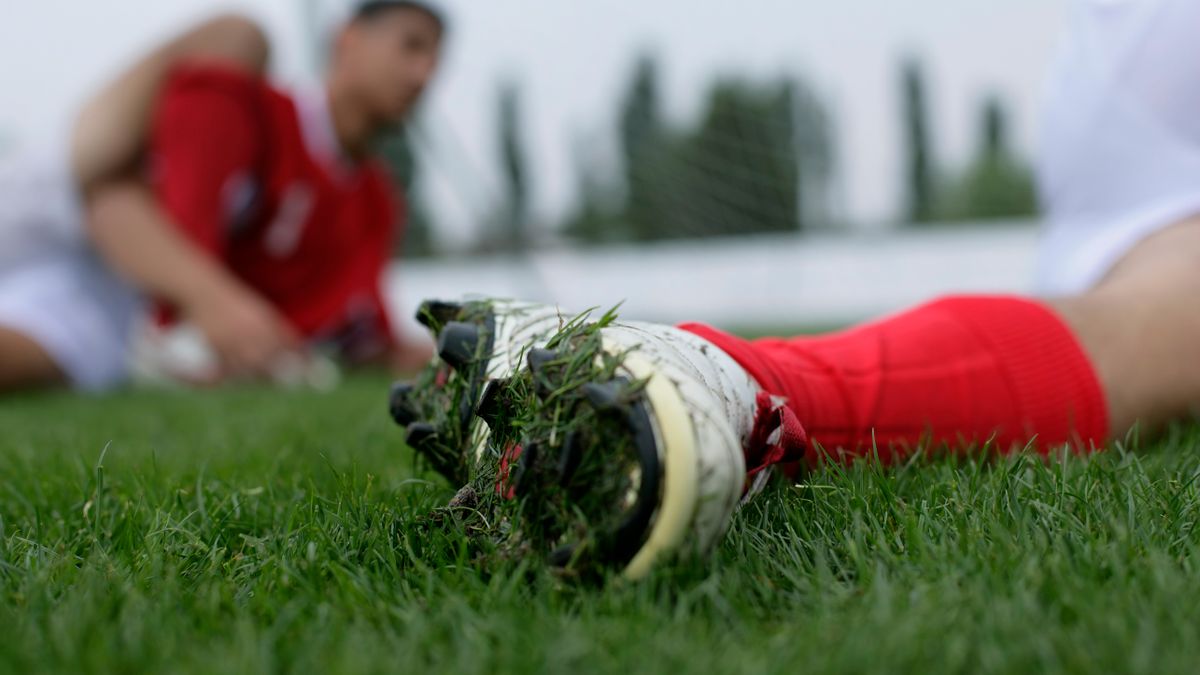
Soccer cleats, called football boots outside North America, are lightweight, low-cut shoes with studs on the sole that dig into the playing surface for grip when you sprint, cut and strike the ball. The right pair depends mainly on the surface you play on: firm grass, soft grass, artificial turf or an indoor court.
In this guide
Soccer cleat types by surface
| Code | Surface | Sole |
|---|---|---|
| FG (firm ground) | Dry to slightly damp natural grass | Moulded plastic or rubber studs, conical or bladed |
| SG (soft ground) | Wet, muddy natural grass | Fewer, longer studs, often screw-in metal-tipped |
| AG (artificial grass) | Modern 3G/4G artificial turf | Many shorter, hollow conical studs |
| MG (multi-ground) | Firm grass and artificial grass | A mix of short studs |
| TF (turf) | Older, carpet-style turf and hard ground | Lots of small rubber nubs |
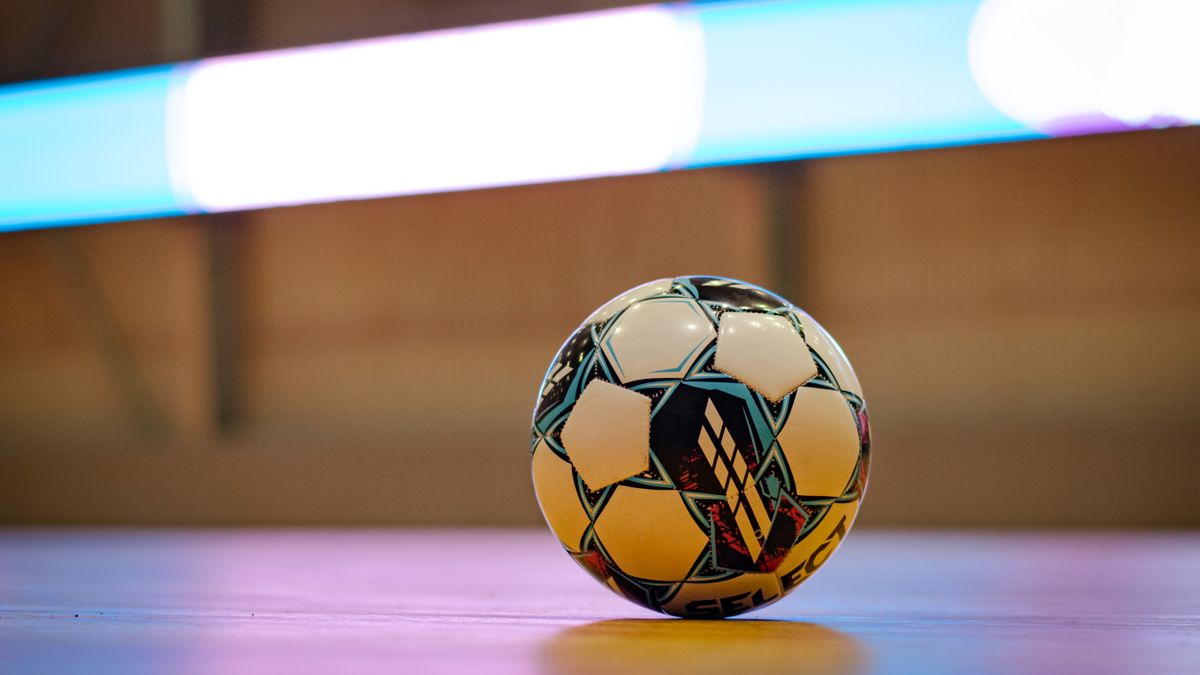
| IC / IN (indoor) | Indoor courts, futsal | Flat, non-marking gum rubber |
Turf shoes vs indoor soccer shoes
These two are often confused. Turf shoes have a sole covered in small rubber studs for grip on short artificial turf and hard, dry pitches. Indoor shoes have a flat rubber sole, like a low-profile trainer, for polished gym floors and futsal courts. Turf shoes feel unstable and slippery on a smooth court, and flat indoor shoes slide on turf, so use each on its own surface.
Why the right studs matter
- Grip: too little traction and you slip; too much and your foot can stick in the ground while your body turns.
- Injury risk: long soft-ground or bladed firm-ground studs on artificial turf can grip too hard, which puts extra strain on knees and ankles. Use AG or turf soles on artificial surfaces.
- Rules: many leagues and facilities ban metal studs on artificial pitches, and referees check studs for sharp edges.
- Durability: firm-ground plates wear quickly on abrasive turf and may not be covered by warranty there.
Related: How to Break In Climbing Shoes Without the Pain
What are soccer cleats made of?
- Upper: natural leather (soft, moulds to the foot, heavier when wet), synthetic leather (light, durable, water-resistant) or knit (sock-like fit).
- Soleplate: stiff plastic such as TPU or nylon-based materials that hold the studs.
- Studs: moulded TPU or rubber, or replaceable aluminium-tipped studs on soft-ground boots.
- Insole: thin foam; cushioning is minimal to keep you close to the ground.
How should soccer cleats fit?
- Snug, closer than running shoes. Aim for about 5 to 10 mm between your longest toe and the end. Extra length reduces your feel for the ball and causes blisters.
- No heel slip when you jog and cut.
- No pressure on the sides of the forefoot. Many boots are narrow; look for wide-fit models if you need them. See shoe widths explained.
- Try them with soccer socks and shin guards.
- Leather stretches a little; synthetics hardly at all.
Measure your feet first with our shoe size guide.
Cleats for other sports are different
Baseball and American football cleats have a stud at the very front of the toe, which is not allowed in soccer because of the risk to other players. Soccer cleats are also lighter and lower cut for ball control.
How to look after soccer cleats
- Knock the soles together after play and brush off mud while it is fresh.
- Wipe the uppers with a damp cloth and mild soap. Do not machine wash.
- Stuff with paper and air dry away from heat; see how to dry shoes.
- Check screw-in studs regularly and replace worn ones.
- Deal with odour early; see how to get rid of shoe odor.
Court sports have their own footwear rules. See what tennis shoes are and types of basketball shoes.
Frequently asked questions
Can you wear firm-ground cleats on artificial turf?
Many players do on modern long-pile turf, but AG or MG soles are safer and last longer there. Avoid bladed or long studs on artificial surfaces.
Should soccer cleats be tight?
Snug, with very little spare length, but not painful. Your toes should not be curled or pressed hard against the end.
Can you use soccer cleats for other sports?
They work for casual rugby or ultimate, but sports such as baseball and American football use different stud layouts.
How long do soccer cleats last?
With regular play, usually one to two seasons. Using the right sole for the surface extends their life.