The best soccer cleat for most players in 2027 is the Nike Phantom 6, an all-round boot with a grippy, close-fitting upper and a slightly roomier forefoot, while the adidas F50 is the pick for pure speed and the adidas Copa Mundial remains the classic leather choice. Just as important as the model is the soleplate: firm-ground (FG) studs for natural grass, artificial-ground (AG) or turf (TF) soles for synthetic pitches, and flat indoor (IC) soles for hard courts.
In this guide
Picks are based on published specifications and independent reviews, not our own testing. Most models are sold in several price tiers (for example Elite, Pro, Academy and Club); the shape is similar and the cheaper tiers use simpler materials. New to the subject? Start with what are soccer cleats?
Quick picks
| Cleat | Type | Best for |
|---|---|---|
| Nike Phantom 6 | Control and all-round | Best overall, medium to wider feet |
| adidas Predator | Control and striking | Midfielders, passing and shooting |
| adidas F50 | Speed | Wingers and forwards |
| Nike Tiempo Legend 10 | Soft touch | Defenders and comfort seekers |
| adidas Copa Mundial | Classic leather | Traditional feel and durability |
| Puma Future 8 | Adaptive fit | Creative players, varied foot shapes |
| New Balance 442 V2 | Leather, wide option | Wide feet |
The best soccer cleats for 2027
1. Nike Phantom 6
Best for: players who want one boot that does everything well
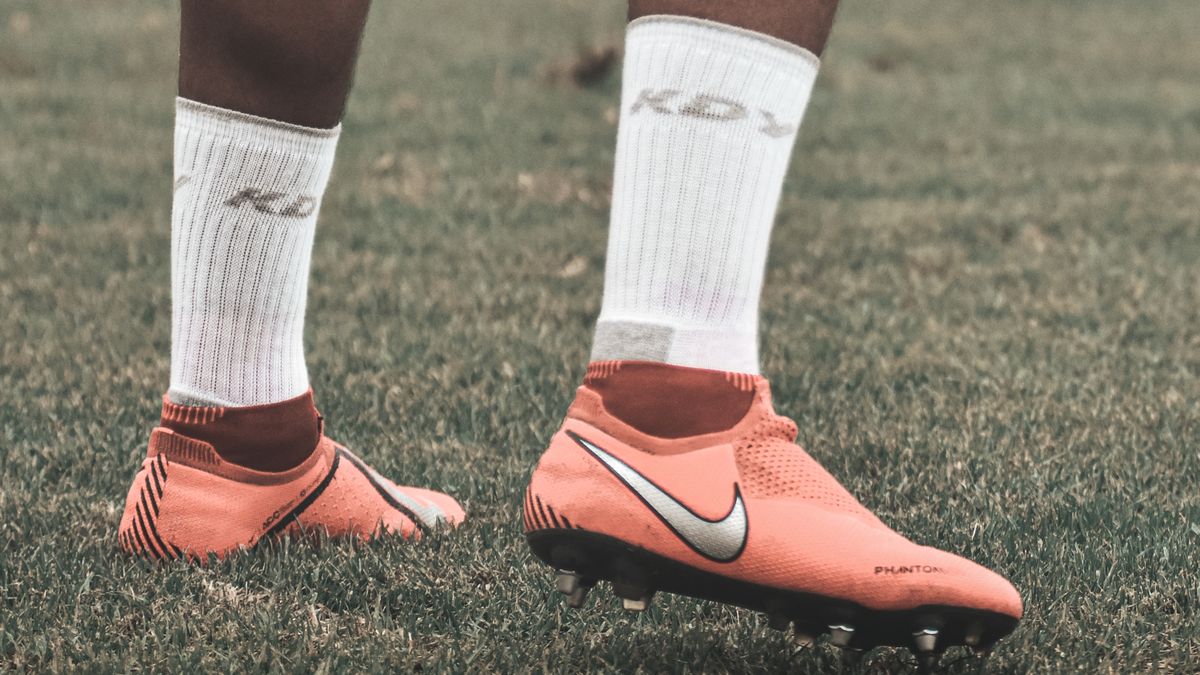
FourFourTwo names the Phantom 6 its best overall cleat, and retailers describe it as the leading all-rounder. A textured synthetic upper adds grip on the ball for passing and dribbling, the soleplate is built for quick cuts, and the last is reshaped to suit medium and somewhat wider feet without sizing up. The Academy tier offers the same shape at a far lower price.
- Good: versatile, grippy touch, accommodating fit
- Less good: top tier is expensive; less padded than leather boots
2. adidas Predator
Best for: midfielders and set-piece takers
The Predator line is built around ball control, with rubber or textured elements on the strike zone to add grip and swerve. It has a locked-in midfoot and is available with or without a fold-over tongue in the higher tiers.
- Good: excellent control and striking surface, secure fit
- Less good: snug; takes a few sessions to soften
3. adidas F50
Best for: fast, direct attackers
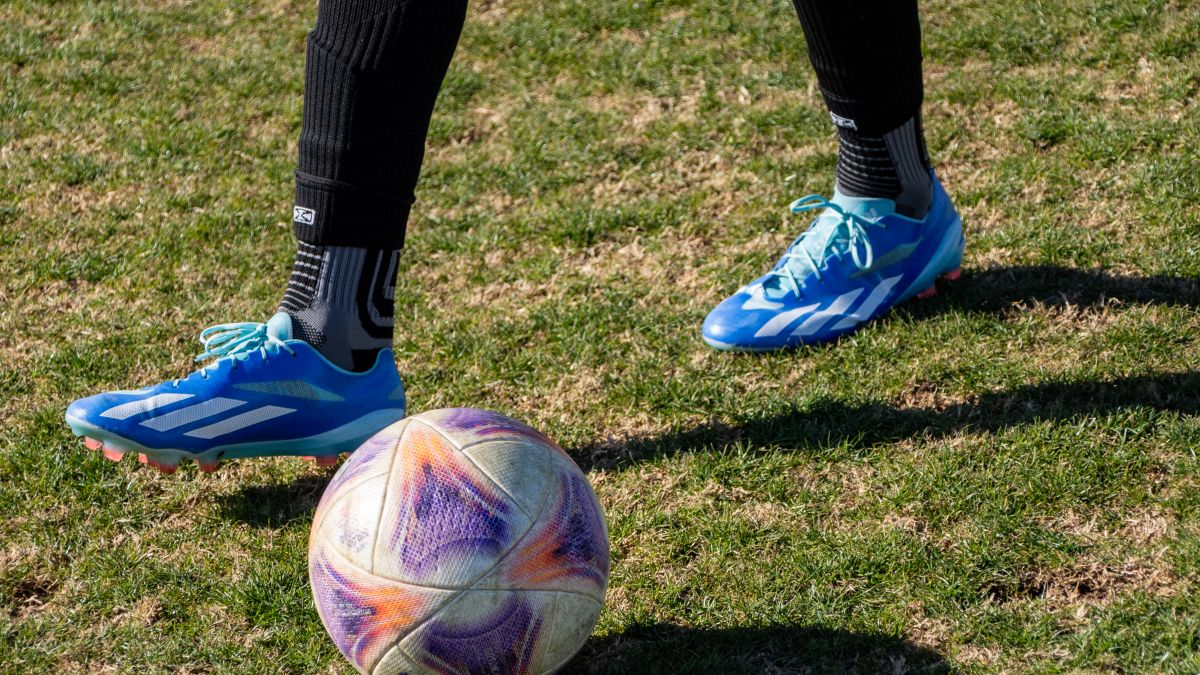
The F50 is the speed boot in the adidas range: very light, with a thin upper for a close touch and an aggressive stud layout for acceleration. It runs narrow, so wide-footed players should look elsewhere.
- Good: very light, sharp traction, barefoot-like touch
- Less good: narrow; thin upper offers little protection
4. Nike Tiempo Legend 10
Best for: defenders and anyone who values comfort
The Tiempo replaced natural leather with a soft engineered material that keeps the cushioned, forgiving touch the line is known for while holding its shape and shedding water better. It is a frequent top pick for defenders.
- Good: soft padded touch, comfortable, keeps its shape
- Less good: not as light as speed boots
5. adidas Copa Mundial
Best for: traditionalists and long-term value
Made since 1979 with a soft leather upper and a simple moulded soleplate, the Copa Mundial is one of the best-selling boots ever. It moulds to the foot and lasts for seasons with basic care. Leather stretches, so buy it snug.
- Good: superb comfort once broken in, durable, timeless
- Less good: heavier; absorbs water; needs leather care
6. Puma Future 8
Best for: players who want a customisable, wrap-around fit
The Future uses a stretchy, adaptive upper that hugs different foot shapes and can be worn with or without laces in some versions, plus textured zones for grip on the ball. A good option if standard boots pinch.
- Good: adaptive fit, good grip, comfortable
- Less good: less structured support; sizing varies by version
7. New Balance 442 V2
Best for: wide feet
A classic-styled leather boot that New Balance sells in a genuine wide width, which few rivals offer. It combines a soft, padded touch with a straightforward firm-ground soleplate.
- Good: true wide option, leather comfort, fair price
- Less good: fewer tiers and colours; heavier than speed boots
Related: Types of Basketball Shoes: High, Mid and Low Tops Compared
Which soleplate for which surface?
| Code | Surface | Studs | Notes |
|---|---|---|---|
| FG | Firm natural grass | Moulded blades or cones | The default; not ideal on artificial turf |
| SG | Soft, wet, muddy grass | Fewer, longer, often metal-tipped | Check league rules on metal studs |
| AG | Modern artificial grass (3G/4G) | Many short, hollow studs | Spreads pressure and reduces grab |
| MG / FG-AG | Grass and artificial grass | Mixed pattern | Good single-pair compromise |
| TF | Older, sand-based turf, hard ground | Dozens of small rubber nubs | Comfortable for training |
| IC / IN | Indoor courts, futsal | Flat gum rubber | Non-marking |
Using long firm-ground studs on artificial turf is a common mistake: they can catch in the surface and put extra stress on knees and ankles, and many brands will not honour warranties for it.
How to choose soccer cleats
- Fit: snug everywhere with about a quarter to half a thumb width at the toes. Leather stretches; synthetics mostly do not.
- Width: do not size up to gain width, which causes heel slip. Measure with how to measure foot width and choose a wider last.
- Position and style: speed boots for wide players, control boots for midfield, padded boots for defenders. Comfort beats category.
- Tier: mid-tier (Pro or Academy) is the best value for most amateur players.
- Break-in: wear them for short training sessions first. See how to break in shoes, how to prevent blisters and how to fix heel slip.
- Care: knock off mud, wipe, and air-dry away from heat (how to dry shoes). For stains and smell see how to get grass stains out of shoes and how to get rid of shoe odor.
Frequently asked questions
What soccer cleats are best for wide feet?
Look for boots sold in a wide width, such as the New Balance 442, or models with a roomier last or adaptive upper, such as the Nike Phantom 6 and Puma Future.
Should soccer cleats be tight?
Snug, yes; painful, no. You want a close fit for touch and stability, with a few millimetres of space at the toes.
Can I wear firm-ground cleats on turf?
It is not recommended on artificial grass. Choose AG, multi-ground or turf soles for better pressure distribution and less risk of studs catching.
Are expensive soccer cleats worth it?
Top tiers are lighter with better materials, but mid-tier versions share the same shape and suit most amateur players at a much lower price.
How long do soccer cleats last?
With regular play, usually one to two seasons. Leather boots that are cleaned and dried properly often last longer.