Most insoles should be replaced every 6 to 12 months with regular use: soft foam and gel insoles last about 3 to 6 months, firmer supportive insoles about 12 months, and custom orthotics roughly 2 to 5 years with periodic refurbishing. Replace them sooner if the cushioning has flattened, the arch has collapsed, the surface is cracked or peeling, they smell despite cleaning, or the aches they were helping have come back.
In this guide
How long do insoles last? By type
| Insole type | Typical lifespan (daily use) | Rough distance | What wears out |
|---|---|---|---|
| Factory sock liner (comes with the shoe) | 3 to 6 months | About 300 miles | Thin foam compresses flat |
| Soft foam or memory foam comfort insole | 3 to 6 months | 300 to 400 miles | Foam packs down and stops rebounding |
| Gel insole | 4 to 8 months | 300 to 500 miles | Gel pods split or shift; top cloth peels |
| Semi-rigid arch support insole | 9 to 12 months | About 500 miles | Top cushion wears; arch shell eventually cracks |
| Cork or leather insole | 12 months or more | Varies | Cork crumbles at the edges; leather hardens |
| Heat-mouldable insole | 9 to 12 months | About 500 miles | Loses its moulded shape |
| Custom orthotic | 2 to 5 years | Varies | Top cover and padding; shell lasts longest |
These are typical ranges. Heavier body weight, running, hot sweaty conditions and wearing the same pair every day all shorten them.
8 signs your insoles need replacing
- They look flat. The heel cup and arch have lost their shape compared with a new pair.
- Visible damage: cracks in the arch, holes under the ball of the foot or heel, peeling top fabric.
- They fail the press test. Press your thumb into the heel and forefoot; foam should spring back, not stay dented.
- They fold too easily. A supportive insole should resist bending through the arch.
- Your old aches return: heel, arch, knee or lower-back discomfort that had improved.
- Uneven wear: one side or one foot crushed far more than the other.
- Persistent smell even after washing and drying.
- They slide or bunch up inside the shoe because the edges have curled or shrunk.
Insoles vs shoes: do they wear out together?
Often, but not always. A good aftermarket insole can outlast one pair of shoes and be moved to the next, while a thin factory liner usually dies well before the shoe does. As a rule of thumb, check insoles every time you assess your shoes, and replace both if the midsole is also finished; see how long running shoes last.
Related: Best Slippers of 2027: 7 Warm, Supportive Picks
What shortens insole life
| Factor | Effect | What to do |
|---|---|---|
| Daily use with no rest | Foam never fully recovers | Rotate two pairs of shoes or insoles |
| Sweat and moisture | Breaks down foam and glue, causes odour | Remove and air-dry after wear |
| High-impact activity | Faster compression | Expect the lower end of each range |
| Higher body weight | More load per step | Choose firmer, denser insoles |
| Heat | Warps shells and softens adhesives | Never use a dryer or radiator |
| Wrong size | Edges curl and tear | Trim to match the original liner |
How to make insoles last longer
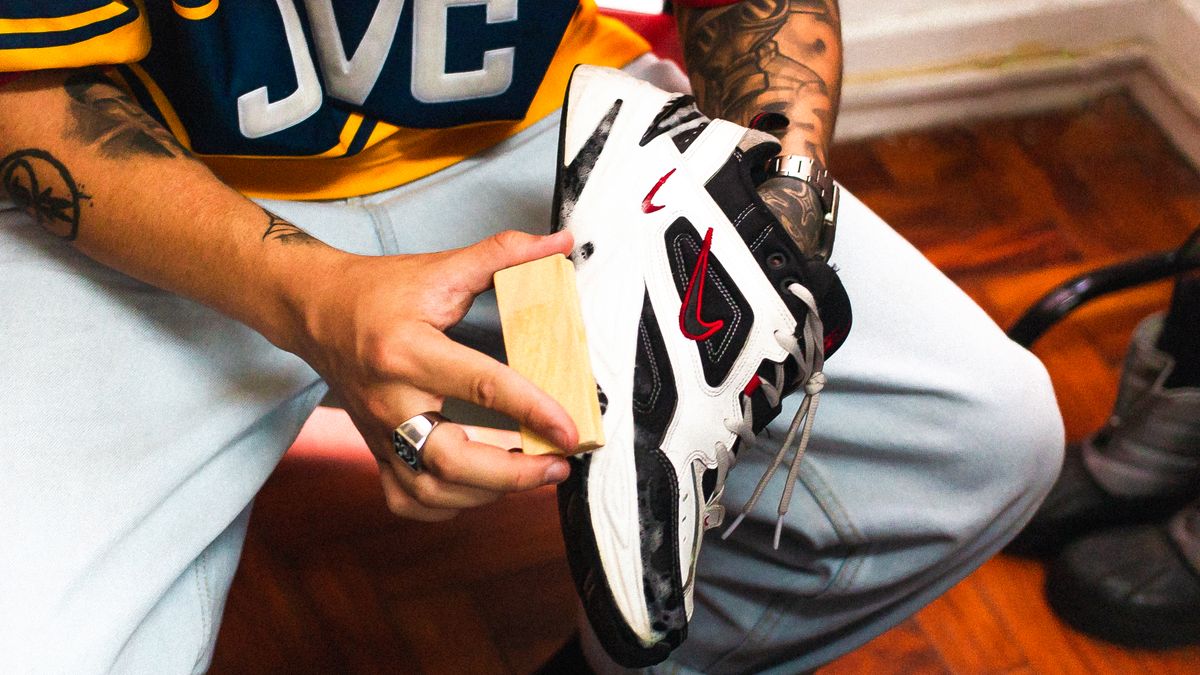
- Take them out to dry after sweaty or wet days.
- Clean them gently every few weeks; the method is in how to clean insoles.
- Rotate between two pairs if you are on your feet all day.
- Use the right insole for the activity: running insoles for running, work insoles for boots.
- Control odour early with the tips in how to get rid of shoe odor or a product from our best shoe deodorizers.
Choosing replacements
Match the new insole to your arch height, the volume of the shoe and what you use it for. Our guide on how to choose insoles explains the types, and the best insoles for standing all day lists dependable options. If you wear insoles for a condition such as heel pain, see best shoes for plantar fasciitis for footwear that works with them.
Custom orthotics: have them checked by your podiatrist every year or two. The top cover can usually be replaced at lower cost than a new device, and your prescription may need updating if your feet or symptoms have changed. This article is general information, not medical advice.
Frequently asked questions
How often should you change insoles?
About every 6 to 12 months with regular use. Soft cushioning insoles are nearer 3 to 6 months; firm supportive ones last around a year.
How do I know if my insoles are worn out?
They look flat, feel hard, show cracks or holes, smell even after cleaning, or the discomfort they were easing has returned.
Do insoles last longer than shoes?
Quality aftermarket insoles often do and can be moved to a new pair. The thin liners supplied with shoes usually wear out first.
Can I wash insoles to make them last longer?
Gentle hand cleaning and thorough air-drying help with hygiene and odour, but washing cannot restore compressed foam.
How long do custom orthotics last?
Typically two to five years, depending on the material and how much you use them. The top cover may need replacing sooner.