The fastest way to fix heel slip is to lace your shoes with a heel lock (runner loop) using the extra top eyelets; if that is not enough, add stick-on heel grips, a tongue pad or a thicker insole to take up the extra space. A small amount of heel movement is normal in new stiff boots and loafers, but if your heel lifts more than about half a centimetre or rubs, it needs fixing or the shoe is the wrong size.
In this guide
Why heels slip
| Cause | How to recognise it | Best fix |
|---|---|---|
| Shoe too long | More than a thumb width in front of the toes | Exchange for a smaller size |
| Shoe too wide or high-volume | Foot slides forward, laces pulled very tight | Insole, tongue pad |
| Narrow heel, wider forefoot | Front fits, heel loose in most brands | Heel lock lacing, heel grips |
| Stiff new sole | New boots or dress shoes, lessens with wear | Break them in |
| Loose or slippery lacing | Fine at first, loosens while walking | Re-lace, change laces |
| Worn heel lining | Older shoes with a smooth or torn lining | Heel liner or cobbler repair |
| Thin or slick socks | Worse with dress or nylon socks | Thicker or grippier socks |
9 ways to stop heel slip
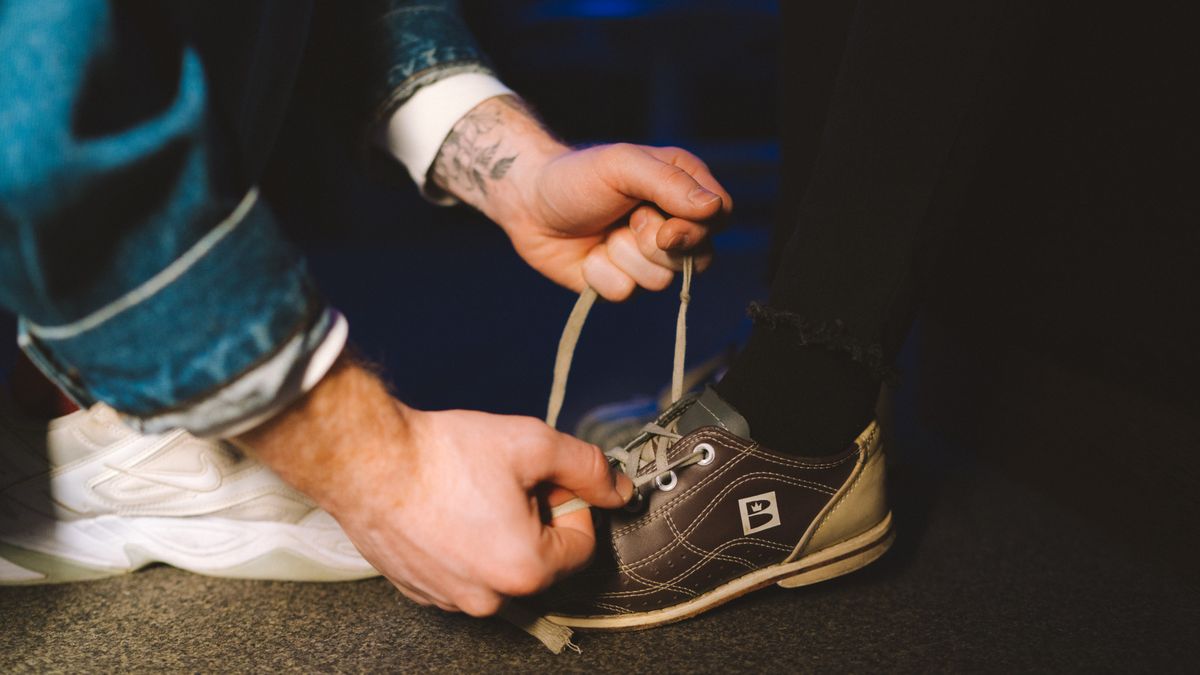
1. Tie a heel lock (runner loop)
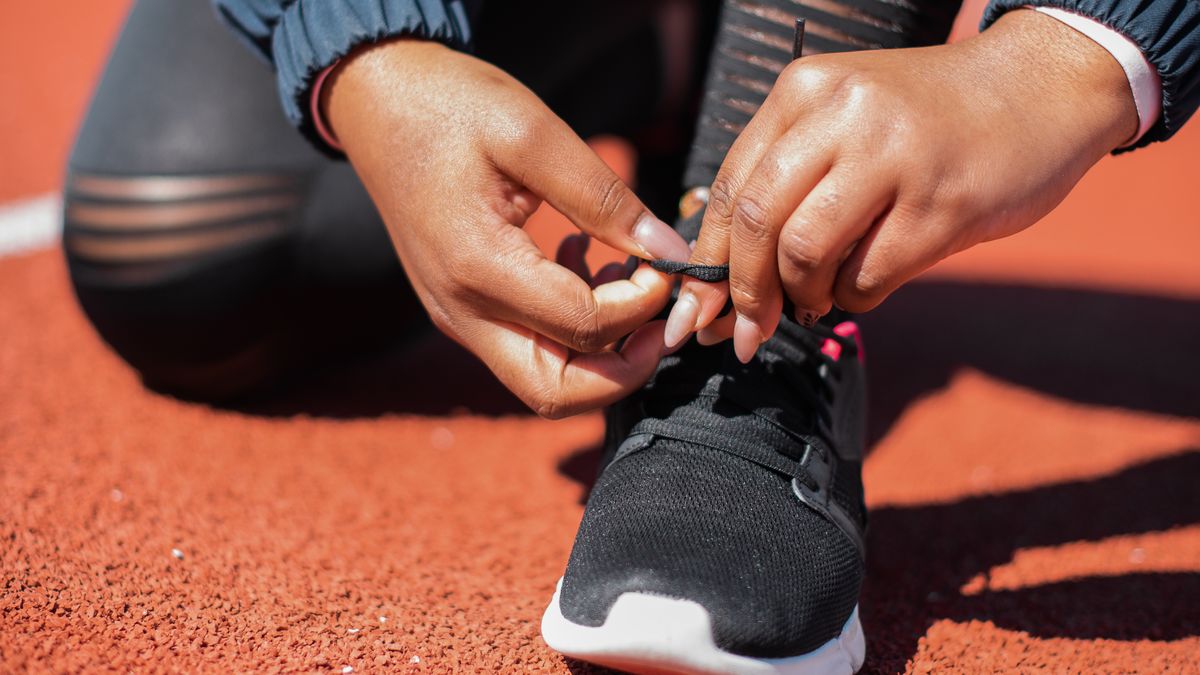
Most athletic shoes have a spare eyelet at the top. Thread each lace into the top eyelet on the same side to form a small loop, cross the laces, pass each through the opposite loop, pull down and back to snug the collar around your ankle, then tie as normal. It adds hold at the heel without tightening the forefoot.
2. Tighten the right zone
Keep the lower laces relaxed and firm up the top two or three rows. On boots with hooks, a surgeon knot (an extra twist) just below the ankle stops the lower section loosening.
3. Add heel grips
Adhesive suede or gel pads stuck inside the back of the shoe narrow the heel cup and add friction. They work well in loafers, pumps and dress shoes that cannot be laced tighter.
4. Use a tongue pad
A felt or foam pad under the tongue pushes the foot back into the heel cup. It is the best fix when the shoe is roomy over the instep.
5. Fit a thicker or more supportive insole
An insole raises the foot and fills volume, and one with a deeper heel cup holds the heel in place. See how to choose insoles. For the front of the shoe only, a half insole keeps the toes roomy.
6. Wear thicker or better-gripping socks
Cushioned socks with a snug heel pocket reduce movement and friction. Our best hiking socks are good examples for boots.
7. Break in stiff shoes
New leather boots and welted shoes often slip slightly because the sole does not yet bend with your foot. As it flexes, slip usually fades. Follow how to break in shoes.
8. Replace slippery laces
Round, waxy laces loosen as you walk. Flat or slightly textured laces hold a knot and keep tension better.
9. See a cobbler
A cobbler can add a permanent heel liner, pad the tongue or replace a worn lining for a modest cost, which is worthwhile on good shoes.
More ways to take up space are in how to make shoes smaller.
Related: How to Fix Shoe Sole Separation at Home
How much heel slip is normal?
| Footwear | Normal when new | Problem if |
|---|---|---|
| Running and walking shoes | Almost none | Any rubbing or visible lift |
| Hiking boots | Slight, reducing after break-in | Heel still lifts on climbs after a few hikes |
| Leather work and western boots | Up to about half a centimetre at first | It does not lessen as the sole softens |
| Loafers and slip-ons | A little | The shoe comes off the heel when walking |
| Chelsea boots | A little, until the leather softens | Foot slides forward as well |
Fit guides for specific footwear: how running shoes should fit, how boots should fit and how to choose hiking boots.
When the shoe is simply the wrong size
If there is more than a thumb width at the toes, your foot slides forward on slopes, or you must over-tighten the laces to feel secure, the shoe is too big. Exchange it for a smaller size or a narrower width rather than stacking fixes. Check how tight shoes should be before you decide.
Persistent rubbing leads to blisters; protect the skin while you sort the fit with the tips in how to prevent blisters.
Foot sliding forward instead? Read how to keep your feet from sliding forward in shoes.
Frequently asked questions
Is heel slippage normal in new boots?
A small amount is normal in stiff leather boots and usually reduces as the sole breaks in. If it continues after a couple of weeks or causes rubbing, adjust the fit.
Does heel slip mean my shoes are too big?
Not always. It can also come from a narrow heel, a stiff sole or loose lacing. Check toe room first: if there is much more than a thumb width, the shoe is too long.
Do heel grips really work?
Yes for mild slip, especially in loafers and dress shoes. They add padding and friction but will not fix a shoe that is a full size too big.
How do I stop my heel slipping in running shoes?
Use heel lock lacing through the top eyelets. If slip continues, try a different model with a narrower heel cup.
Will going down half a size fix heel slip?
Only if the shoe is also long. If the length is right and only the heel is loose, a narrower width or a brand with a snugger heel works better.