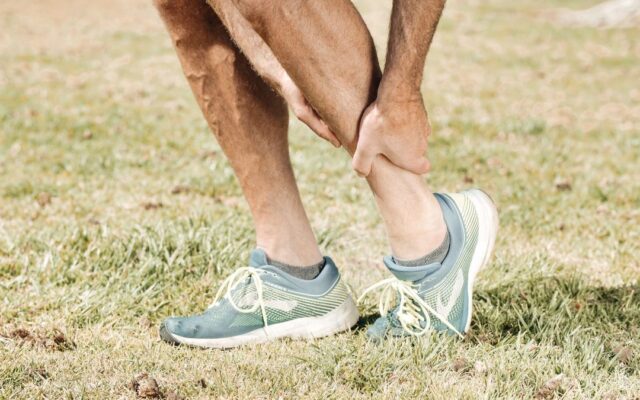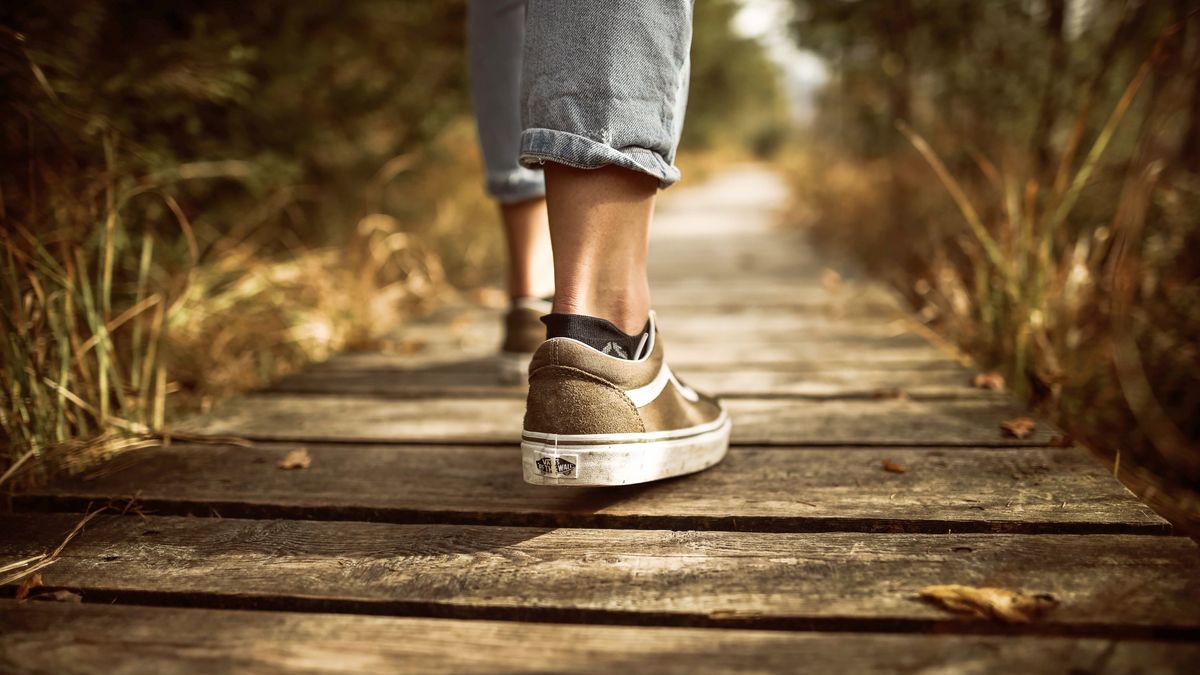
Running shoes are built to absorb impact of two to three times your body weight, so they have thicker, softer cushioning, more breathable uppers and often a rocker shape. Walking shoes are built for a rolling heel-to-toe step with one foot always on the ground, so they are usually firmer, more flexible at the forefoot and more durable. You can walk in running shoes, and many people prefer to. Running in walking shoes is not recommended beyond short distances.
In this guide
Running shoes vs walking shoes at a glance
| Running shoes | Walking shoes | |
|---|---|---|
| Cushioning | Thick and soft, especially at the heel | Moderate and firmer |
| Flexibility | Varies; some are stiff or rockered | Flexible at the ball of the foot |
| Heel | Often flared or built up for impact | Lower, bevelled for a smooth roll |
| Weight | Light | Often heavier |
| Upper | Breathable mesh or knit | Mesh or leather; more structure |
| Durability | 300 to 500 miles of running | Often longer; tougher outsoles |
| Looks | Sporty, bright | Plainer; easier to wear to work |
| Price | Wider range, higher at the top | Generally moderate |
Why the two are designed differently
- Impact. When you run, both feet leave the ground and you land with a force of roughly two to three times body weight. Walking loads are closer to one to one and a half times body weight.
- Foot strike. Walkers land on the heel and roll through to the toes. Runners may land on the heel, midfoot or forefoot.
- Movement. Walking needs the shoe to bend easily at the toes. Running benefits from a sole that returns energy or rocks you forward.
- Heat. Running generates more heat, so running uppers are airier.
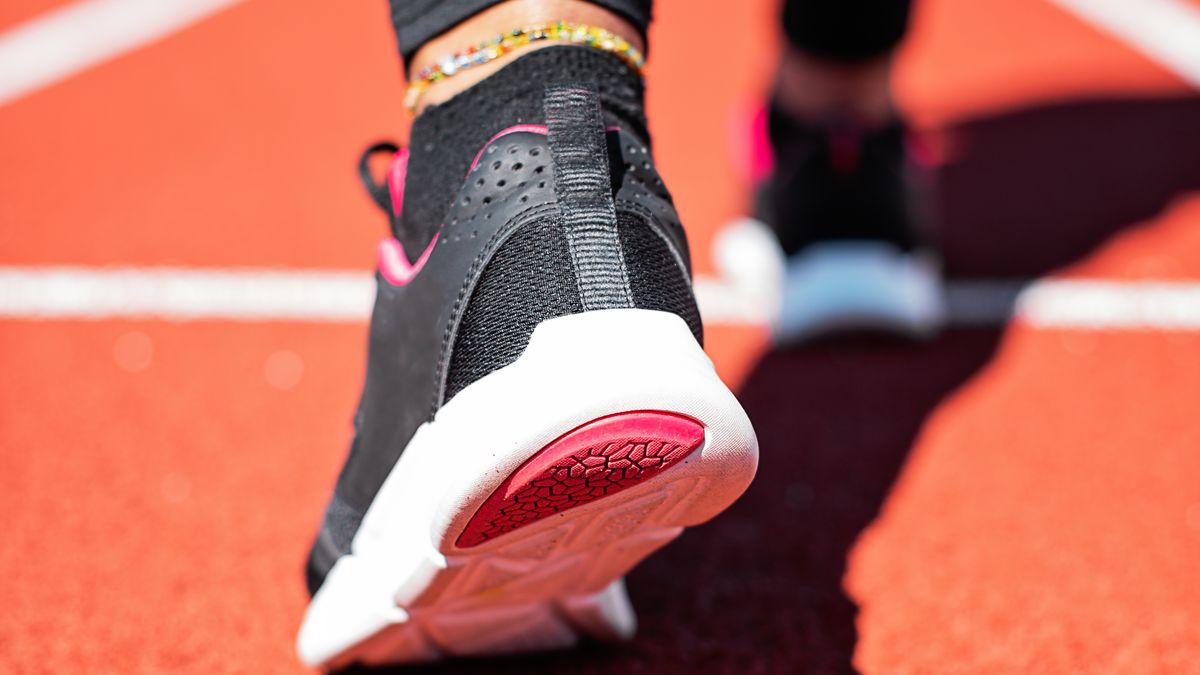
Can you walk in running shoes?
Yes. Cushioned running shoes are among the most comfortable walking shoes, particularly on pavements and for long distances or long days on your feet. Several of our best walking shoes are running models. Two cautions:
- Very soft, tall, or carbon-plated racing shoes can feel unstable at walking speed.
- Mesh uppers are less protective and less weatherproof than leather walking shoes.
Related: Leather Soles vs Rubber Soles: Which Should You Choose?
Can you run in walking shoes?
Only briefly. Walking shoes have less shock absorption and are heavier, so they are tiring and less forgiving on longer runs. If you run regularly, even a few miles a week, buy proper running shoes; see how to choose running shoes.
Which should you buy?
- Fitness walking, travel, long days standing: a cushioned running-style trainer. See the best shoes for standing all day.
- Work that needs a leather upper or slip resistance: a walking or work shoe. See the best slip-resistant work shoes.
- Run and walk in the same pair: a neutral or stability daily trainer. See the best running shoes for beginners.
- Balance concerns or a preference for a firm, low sole: a traditional walking shoe.
- Gym classes and weights: neither; see what training shoes are.
- Rough paths: see hiking boots vs trail runners.
Fit is the same for both
- A thumb’s width beyond your longest toe
- A snug heel and midfoot with no slipping
- Room for toes to spread; consider wide sizes
- Try them late in the day with your usual socks
Details in how running shoes should fit. Whichever you choose, replace them when the cushioning feels flat: see how long running shoes last.
Frequently asked questions
Are running shoes better than walking shoes for walking?
For many people, yes: they are lighter and more cushioned. Walking shoes win on durability, support and a smarter look.
What is the main difference between walking and running shoes?
Cushioning and flexibility. Running shoes absorb higher impact; walking shoes flex more easily through the forefoot.
Can I use the same shoes for walking and running?
Yes, a running shoe can do both. Just remember that walking miles also wear out the cushioning.
Do walking shoes last longer than running shoes?
Usually, because walking is gentler on the midsole and walking shoes often have thicker rubber outsoles.