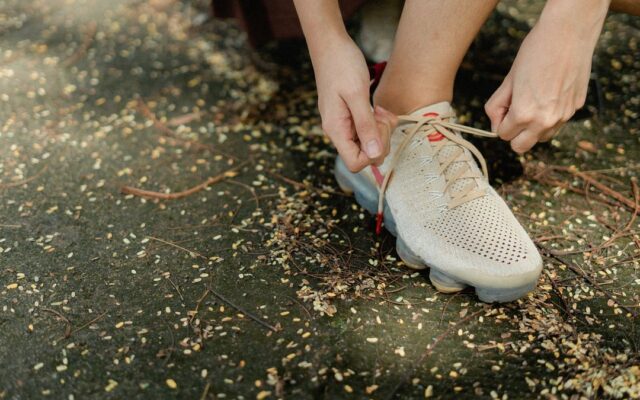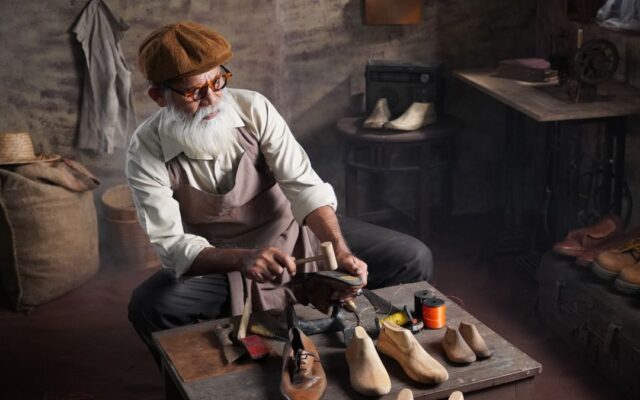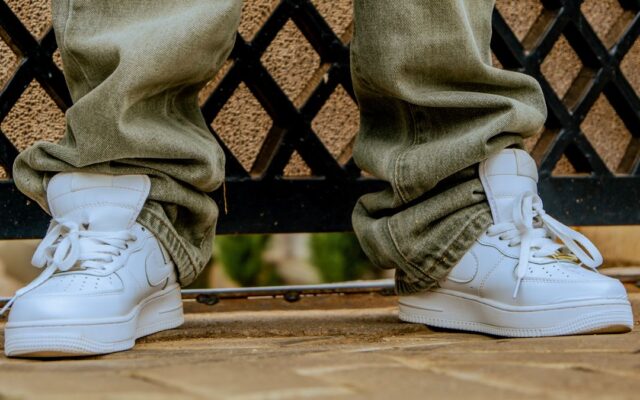
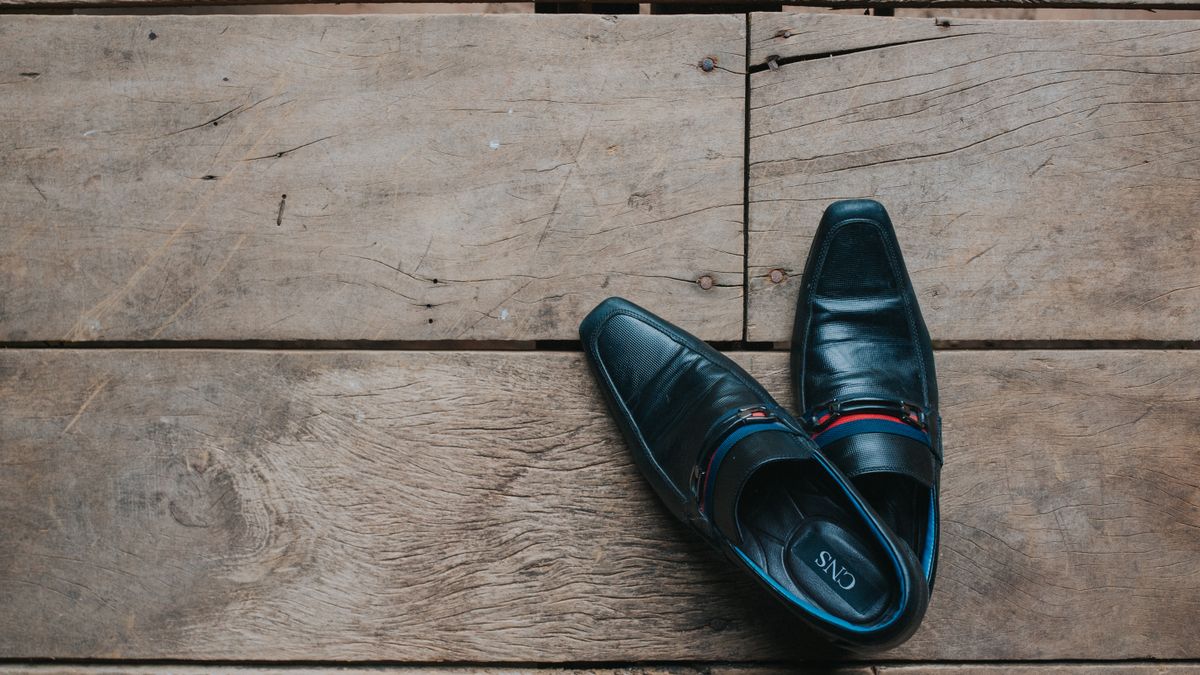
Choose leather soles for formal shoes worn mostly indoors and in dry weather, where a slim, elegant look matters. Choose rubber soles for wet climates, lots of walking and everyday wear, because they grip better, keep water out and need less care. Many people end up owning both.
In this guide
Side-by-side comparison
| Factor | Leather sole | Rubber sole |
|---|---|---|
| Grip | Slippery when new and on wet or polished floors | Good in dry and wet conditions |
| Water resistance | Absorbs water; wears quickly when wet | Waterproof underfoot |
| Breathability | Breathes; cooler in warm weather | Does not breathe |
| Comfort | Firm at first, then moulds to your foot | Cushioned from day one |
| Durability | Lower, especially on rough or wet pavement | Higher |
| Appearance | Slim and formal | Chunkier, though slim versions exist |
| Repair | Easily resoled | Resoleable on welted shoes; rarely on glued ones |
| Care | Needs drying, rotation and occasional conditioning | Minimal |
| Noise | A distinct click on hard floors | Quiet |
Leather soles: strengths and weaknesses
- Look: a thin leather sole gives dress shoes a refined profile that suits suits and formal events.
- Feel: the leather and the cork layer beneath it shape to your foot over time.
- Breathability: moisture can escape through the sole, which helps on long days indoors.
- Weak points: they slip on smooth floors until scuffed, soak up rain, and wear fast on wet, gritty pavements.
Rubber soles: strengths and weaknesses
- Grip and weather: reliable traction and no water coming through.
- Comfort: more shock absorption for walking on hard surfaces.
- Longevity: slower wear and little maintenance.
- Weak points: warmer in summer, usually bulkier, and less formal in traditional dress codes.
Related: How to Break In Boots Without Wrecking Your Feet
Which is better for your situation?
- Office, weddings, formal events, dry climate: leather.
- Commuting on foot, rainy or snowy climate: rubber.
- Standing or walking all day: rubber, for cushioning.
- Hot weather, mostly indoors: leather.
- One pair of dress shoes for everything: a slim studded rubber sole, or leather with a thin rubber half sole added.
The middle ground
- Rubber half sole (topy): a cobbler glues a thin rubber layer over the front of a leather sole. You keep the slim look and gain grip and wear resistance.
- Studded rubber dress soles: low-profile rubber soles designed to look like leather from the side.
- Combination soles: leather with rubber inserts at the forefoot and heel.
More sole designs are explained in shoe sole types.
How to look after leather soles
- Scuff new soles on rough pavement or with sandpaper so they are less slippery; see how to make shoes non-slip.
- Avoid heavy rain when you can. If they get wet, dry them slowly on their sides, away from heat; see how to dry shoes.
- Rotate pairs so each has a day to dry out.
- Use shoe trees.
- Resole before the sole wears through to the cork.
The uppers need care too; see how to polish shoes.
Choosing a formal pair? Compare the types of dress shoes, from Oxfords to loafers.
Frequently asked questions
Do leather soles last longer than rubber?
No. Rubber generally lasts longer, particularly in wet conditions. Leather soles can be replaced, which extends the life of the shoe.
Are leather soles slippery?
Yes, when new and on wet or polished surfaces. Scuffing them or adding a rubber half sole fixes most of the problem.
Can you wear leather-soled shoes in the rain?
Occasionally, if you dry them properly afterwards. Regular soaking shortens their life considerably.
Are rubber soles acceptable on formal shoes?
Yes. Slim rubber dress soles are widely worn and practical, though leather remains the traditional choice for the most formal occasions.