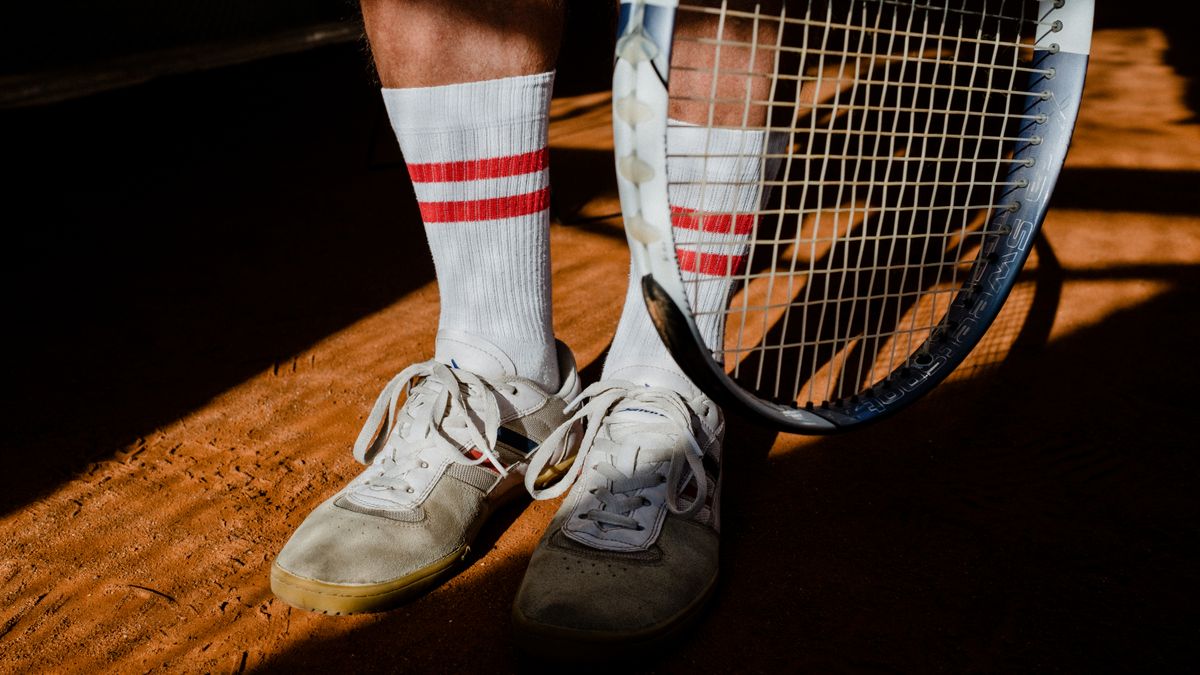
The best tennis shoes are stable in side-to-side movement, tough at the toe and inner forefoot, and grippy on your court surface. In 2027 the ASICS Court FF 3 is the most complete all-round shoe, the ASICS Gel-Resolution X is the benchmark for stability and durability, and the adidas Barricade 14 gives the lowest, most connected court feel. For comfort choose the New Balance CT-Rally v2, and for value the K-Swiss Hypercourt Express 2 or adidas Gamecourt 2.
Picks are based on published specifications and independent lab and playtest reviews, not our own testing.
Quick picks
| Shoe | Best for | Character |
|---|---|---|
| ASICS Court FF 3 | Best overall | Stable, grippy, sock-like fit |
| ASICS Gel-Resolution X | Stability and durability | Supportive, hard-wearing |
| adidas Barricade 14 | Court feel and lockdown | Low, firm, secure |
| New Balance Fresh Foam X CT-Rally v2 | Cushioned comfort | Soft, roomy |
| K-Swiss Hypercourt Express 2 | Value and wide feet | Light, comfortable from day one |
| ASICS Gel-Challenger 15 | Beginners and club players | Balanced, mid-priced |
| adidas Gamecourt 2 | Budget | Light, simple |
Related: Zero-Drop Shoes Explained: Benefits, Risks, Who Should Try
The 7 best tennis shoes
1. ASICS Court FF 3
Best for: competitive players who want support and speed together
A one-piece bootie upper wraps the foot, while a stiff midfoot frame keeps the shoe from twisting during hard slides and changes of direction. Reviewers consistently praise its stable platform and grip in all directions.
- Good: very stable, excellent traction, comfortable inside
- Less good: snug: not for wide feet; heavier and pricier than most
2. ASICS Gel-Resolution X
Best for: baseline players who are hard on shoes
A long-running favourite built around lateral support and abrasion resistance, with reinforced material on the inner forefoot and toe for players who drag. The outsole rubber is among the grippiest and longest lasting.
- Good: outstanding stability, very durable, strong grip
- Less good: needs a break-in period; heavy
3. adidas Barricade 14
Best for: aggressive movers who like to feel the court
One of the lowest-profile performance shoes, with a firm midsole and a locked-in fit that gives confident footing. It trades cushioning for stability and precision.
- Good: low and stable, secure lockdown, durable
- Less good: firm underfoot; little impact protection; snug toe box
4. New Balance Fresh Foam X CT-Rally v2
Best for: players with sore joints or long sessions
A plush, well-cushioned shoe that absorbs impact on hard courts, with a more generous fit than most performance models and wide sizes available.
- Good: soft cushioning, comfortable fit, wide options
- Less good: heavier; less court feel; lower toe box
5. K-Swiss Hypercourt Express 2
Best for: recreational players who want comfort for less
Light, breathable and comfortable straight out of the box, with a roomier forefoot than most rivals. It suits doubles, lessons and club play.
- Good: good value, no break-in, roomy forefoot
- Less good: less support for aggressive lateral movement; wears faster
6. ASICS Gel-Challenger 15
Best for: improving players moving on from trainers
A mid-priced shoe that borrows stability features from the Resolution in a lighter, more flexible package. A sensible first proper tennis shoe.
- Good: stable for the price, durable, easy fit
- Less good: modest cushioning; warm upper
7. adidas Gamecourt 2
Best for: occasional players and beginners
An inexpensive, lightweight shoe with a reinforced toe and a herringbone-style outsole. It has enough side support for casual play and doubles as an everyday trainer.
- Good: cheap, light, comfortable
- Less good: basic support and durability; narrow fit
How to choose tennis shoes
- Court surface. Hard court: durable outsole, cushioning, reinforced toe. Clay: full herringbone tread that releases clay and allows sliding. Grass: pimpled sole. All-court shoes cover mixed play.
- Playing style. Baseliners need lateral stability and durability; all-court and net players benefit from lighter, more flexible shoes.
- Stability. A firm heel and a midfoot that resists twisting protect ankles in side-to-side moves.
- Fit. A thumb’s width at the toe, snug heel and midfoot. See how tight shoes should be.
- Width. Many performance models run narrow; see the best shoes for wide feet.
- Non-marking soles are required on indoor courts.
Not sure how tennis shoes differ from trainers? Read what tennis shoes are and running shoes vs walking shoes. For other sports, see the best basketball shoes and the best cross-training shoes. Clay stains? See how to clean white shoes.
Want more support in your court shoes? Read how to choose insoles.
Frequently asked questions
Can I play tennis in running shoes?
It is not recommended. Running shoes are built for forward motion and are unstable in quick lateral moves, which raises the risk of rolling an ankle.
How long do tennis shoes last?
Regular players often wear through outsoles in three to six months on hard courts. Some brands offer a six-month outsole guarantee on durable models.
Do I need different shoes for clay?
If you play mostly on clay, yes. Clay soles grip and slide predictably and do not clog.
Can tennis shoes be used for pickleball?
Yes. Court shoes for tennis work well for pickleball because both need lateral support and non-marking soles.