Walk into many weight rooms and you will see Chuck Taylors next to proper lifting shoes. They are cheap, flat and easy to find, which makes them a popular first gym shoe.
In this guide
Short answer: For deadlifts and many machine and strength moves, Converse work well because the sole is flat and thin. For heavy squats, many lifters prefer a raised-heel lifting shoe. For running, jumping or HIIT classes, choose a cross-trainer instead.
We may earn a commission when you buy through our links, at no extra cost to you.
Converse in the gym
| Exercise | Converse? | Why | Shop |
|---|---|---|---|
| Deadlifts | Good | Flat, thin sole keeps you close to the floor | Check price |
| Squats | Depends | Some prefer a raised heel | Check price |
| Machines and presses | Good | Stable base | Check price |
| Running and HIIT | Poor | Little cushioning | Check price |
| Jumping and plyometrics | Poor | Hard landings | Check price |
Why lifters like Converse
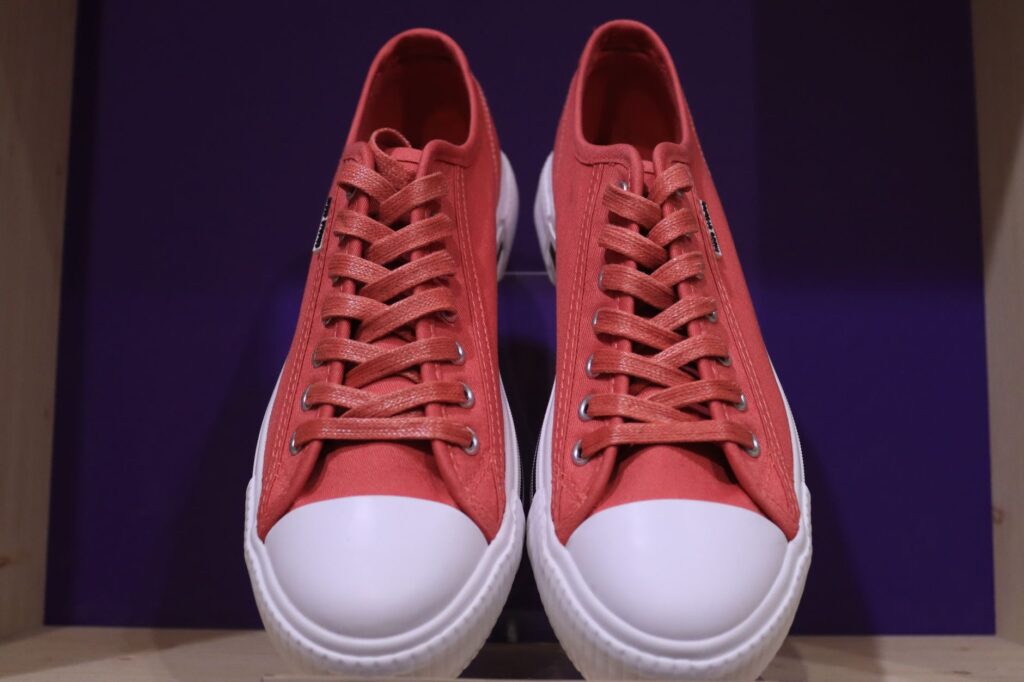
A soft, cushioned running shoe compresses under a heavy bar, which can feel wobbly. Converse have a thin rubber sole with almost no cushioning, so your foot stays close to the floor and the shoe does not squash. That stable, flat feel is what most people want for deadlifts.
Where they fall short
Converse have no raised heel, so lifters who struggle with ankle mobility in deep squats often prefer a lifting shoe with a firm, raised heel. The canvas upper also gives little side support for lateral moves. And with so little cushioning, they are uncomfortable for running or jumping. Read do you need weightlifting shoes? for more.
Related: How to Get Rid of Shin Splints: Relief and Prevention
Gym shoe options
Converse Chuck Taylor All Star
Best for: Deadlifts and strength days
The classic flat canvas sneaker.
- Good: Cheap and stable
- Less good: No cushioning for cardio
Vans Old Skool
Best for: Flat lifting
Flat waffle sole with a sturdier upper.
- Good: Durable
- Less good: Firm feel
Lifting shoes
Best for: Squats and Olympic lifts
Raised, firm heel for squats.
- Good: Very stable
- Less good: Only good for lifting
Cross-training shoes
Best for: Mixed classes
Balanced for lifting and short cardio.
- Good: Versatile
- Less good: Less flat than Converse
Good alternatives
- Vans Old Skool: also flat, with a slightly wider sole.
- Minimal barefoot-style trainers: flat and flexible with more room for toes.
- Dedicated lifting shoes: raised heel for squats and Olympic lifts. See best weightlifting shoes.
- Cross-trainers for mixed classes. See best cross-training shoes.
This is general information, not medical advice. If you have an injury, ask a professional about footwear and technique. We are not affiliated with any brand named here. Prices and availability change, so check the listing before you buy.
Related guides
Read do you need weightlifting shoes?.
Read best weightlifting shoes.
Read best cross-training shoes.
Read how to clean Converse.
Frequently asked questions
Are Converse good for squats?
They work for many people. Lifters who need more ankle room in deep squats often prefer a raised-heel lifting shoe.
Why do people deadlift in Converse?
The flat, thin sole keeps you close to the floor and does not compress under weight.
Are Converse good for leg day?
For strength moves, often yes. For running or jumping drills, use a cushioned trainer.
Can I deadlift barefoot instead?
Some gyms allow socks only. Check your gym’s rules first.