Suede and smooth leather are both real leather, but suede has a soft, napped surface that is more casual and more easily marked by water and dirt, while smooth leather has a sealed grain surface that is tougher, more weather resistant and easier to clean and polish. Choose smooth leather for formal wear, wet climates and hard daily use, and suede for comfort, texture and smart-casual outfits in drier conditions.
In this guide
Suede vs leather at a glance
| Factor | Suede | Smooth leather |
|---|---|---|
| Surface | Soft, velvety nap | Smooth grain, matte to glossy |
| Look | Relaxed, textured, smart-casual | Classic, formal to casual |
| Comfort when new | Soft, little break-in | Stiffer, softens with wear |
| Durability | Good, but surface scuffs and flattens | Very good; scuffs can be polished out |
| Water resistance | Low unless treated | Moderate; improved with wax or polish |
| Stain resistance | Low; absorbs oil and dirt | Higher; wipes clean |
| Care | Brush, eraser, protector spray | Clean, condition, polish |
| Breathability | High | Moderate |
| Best season | Dry spring, summer, autumn | All year |
| Formality | Casual to business casual | Business casual to black tie |
What is the difference between suede and leather?
A hide has a tight, strong outer layer (the grain) and a looser fibrous underside. Smooth leather, including full-grain and top-grain, keeps the grain surface, which is naturally dense and can be finished and polished. Suede is made from the underside of the hide, or from a split layer with the grain removed, then buffed to raise a soft nap. Because the fibres are open, suede feels softer and breathes well, but there is no sealed surface to block water and dirt.
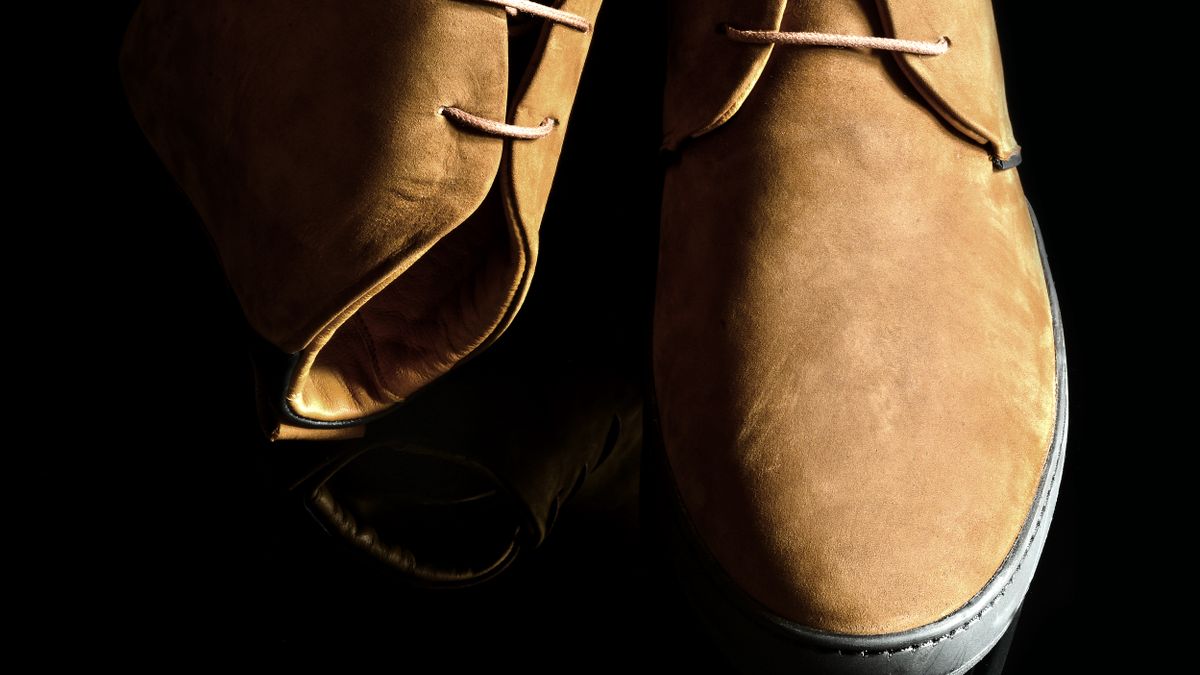
Nubuck sits between the two: it is grain-side leather lightly sanded to a fine velvet finish. It is stronger than suede, with a similar look and similar care needs.
Durability
Good smooth leather is the longer-lasting choice for shoes that see daily wear. Scratches can be buffed and covered with polish, and the surface develops a patina. Suede is tougher than it looks and does not crease as visibly, but the nap wears smooth at flex points and heels, and deep stains are harder to remove. Thicker suedes used on desert boots and work-style boots hold up well with regular brushing.
Water and weather
Smooth leather copes with showers and can be made more resistant with wax polish or conditioner. Suede darkens when wet and can dry with tide marks or a stiff feel, although a soaking rarely ruins it if you blot it, let it dry slowly and brush the nap back up. A protector spray makes a real difference to both; see our best waterproofing sprays for shoes and choose one labelled safe for suede and nubuck. For regular heavy rain, neither is ideal: wear rain boots.
Related: How to Wear Timberlands: Outfit Ideas for Men and Women
Care compared
| Task | Suede | Smooth leather |
|---|---|---|
| Routine | Brush with a suede brush after wear | Wipe with a damp cloth, brush off dust |
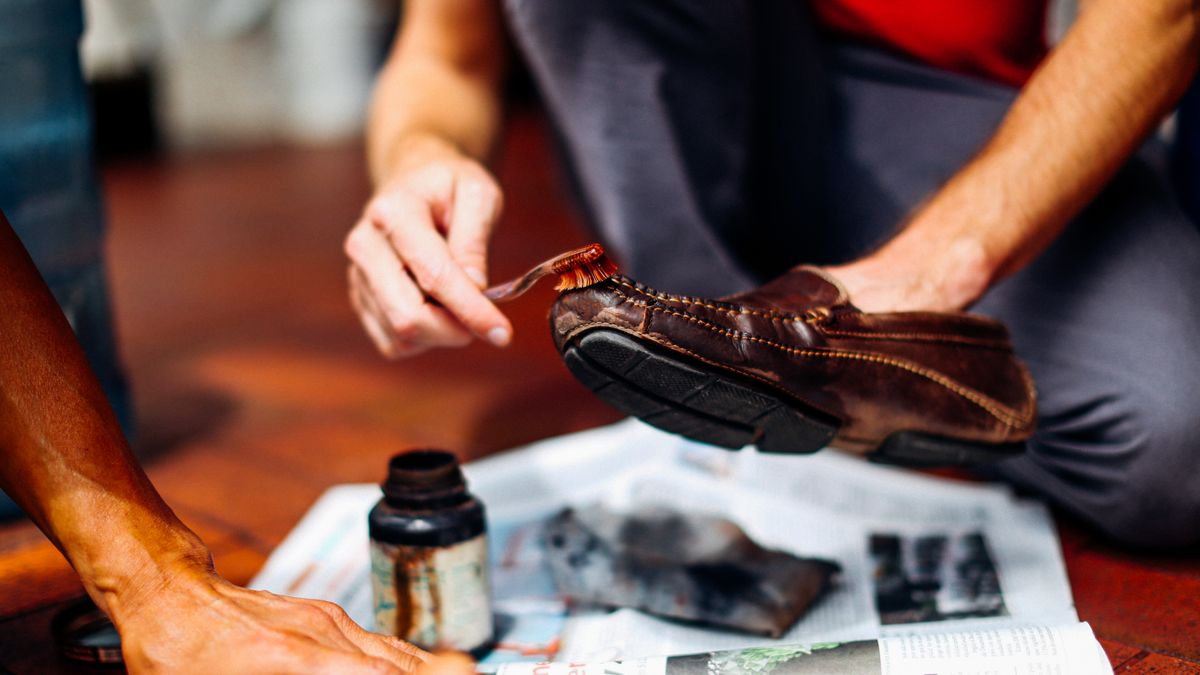
| Marks and scuffs | Suede eraser, then brush | Cream or wax polish |
| Deep clean | Suede shampoo, used sparingly | Saddle soap or leather cleaner |
| Nourish | Not usually conditioned | Leather conditioner every few months |
| Protect | Suede protector spray, reapplied regularly | Wax polish or water-repellent spray |
| Never use | Shoe polish, oils, lots of water | Harsh detergents, direct heat |
Suitable kits for both are in our best shoe cleaners. Cedar shoe trees help either material dry evenly and hold its shape.
Comfort and fit
Suede is softer and more flexible from the first wear, which makes suede loafers and boots easy to break in. Smooth leather starts firmer and moulds to the foot over a few weeks. Both give slightly in width; suede gives a little more. See do shoes stretch? and how to break in shoes.
Style: when to wear each
- Formal and business: smooth leather, especially black or dark brown Oxfords and Derbys. See best dress shoes for men.
- Business casual: either. Brown suede loafers or brogues look sharp with chinos and tailoring.
- Casual: suede sneakers, desert boots and Chelsea boots add texture; leather versions are easier to keep clean.
- Bad weather, travel, commuting: smooth leather.
Cost
Prices overlap. Suede is often slightly cheaper than full-grain leather of the same quality because it can be made from split hides, but premium suedes cost as much as fine calf leather. Over time, smooth leather is usually the better value for daily shoes because it can be restored repeatedly.
Which should you buy?
| If you want | Choose |
|---|---|
| One pair for work and formal events | Smooth leather |
| Low-maintenance daily shoes | Smooth leather |
| Soft comfort with little break-in | Suede |
| A second pair to dress outfits down | Suede |
| Shoes for a wet climate | Smooth leather (or treated nubuck) |
| Breathable warm-weather shoes | Suede |
Step-by-step care is in how to clean suede shoes.
Frequently asked questions
Is suede real leather?
Yes. Suede is made from the underside or split layer of an animal hide, buffed to a soft nap. Microsuede and faux suede are synthetic fabrics.
Which lasts longer, suede or leather?
Smooth leather usually lasts longer in daily use because its surface is denser and can be polished and restored. Well-cared-for suede still lasts for years.
Can suede shoes get wet?
An occasional shower will not ruin them. Blot, stuff with paper, dry away from heat and brush the nap. Treating them with a suede protector beforehand helps a lot.
Is suede harder to clean than leather?
Yes. Suede absorbs stains and cannot be wiped or polished, so it needs a brush, eraser and occasional specialist cleaner.
Is suede warmer than leather?
No. Suede is generally more breathable. Warmth depends mostly on the lining and sole.