Nubuck and suede are both soft, brushed leathers, but they come from different sides of the hide: nubuck is the strong outer grain layer lightly sanded to a fine velvet finish, while suede is the looser inner layer buffed to a longer, fuzzier nap. As a result nubuck is tougher, more water tolerant and usually more expensive, and suede is softer, lighter, more flexible and a little easier on the wallet. Both need brushing and a protector spray, and neither should be polished.
In this guide
Nubuck vs suede at a glance
| Factor | Nubuck | Suede |
|---|---|---|
| Made from | Outer (grain) side of the hide, sanded | Inner side or split layer, buffed |
| Nap | Very short, fine, velvety | Longer, softer, more textured |
| Feel | Smooth and firm | Plush and supple |
| Thickness and strength | Thicker, stronger | Thinner, more flexible |
| Durability | Higher | Moderate |
| Water resistance | Low to moderate; better when treated | Low |
| Marks and scuffs | Shows scratches and dark spots, but brushes out | Flattens and stains more readily |
| Breathability | Good | Very good |
| Typical price | Higher | Lower to similar |
| Common uses | Work boots, hiking boots, premium sneakers | Loafers, desert boots, casual sneakers, slippers |
What is nubuck?
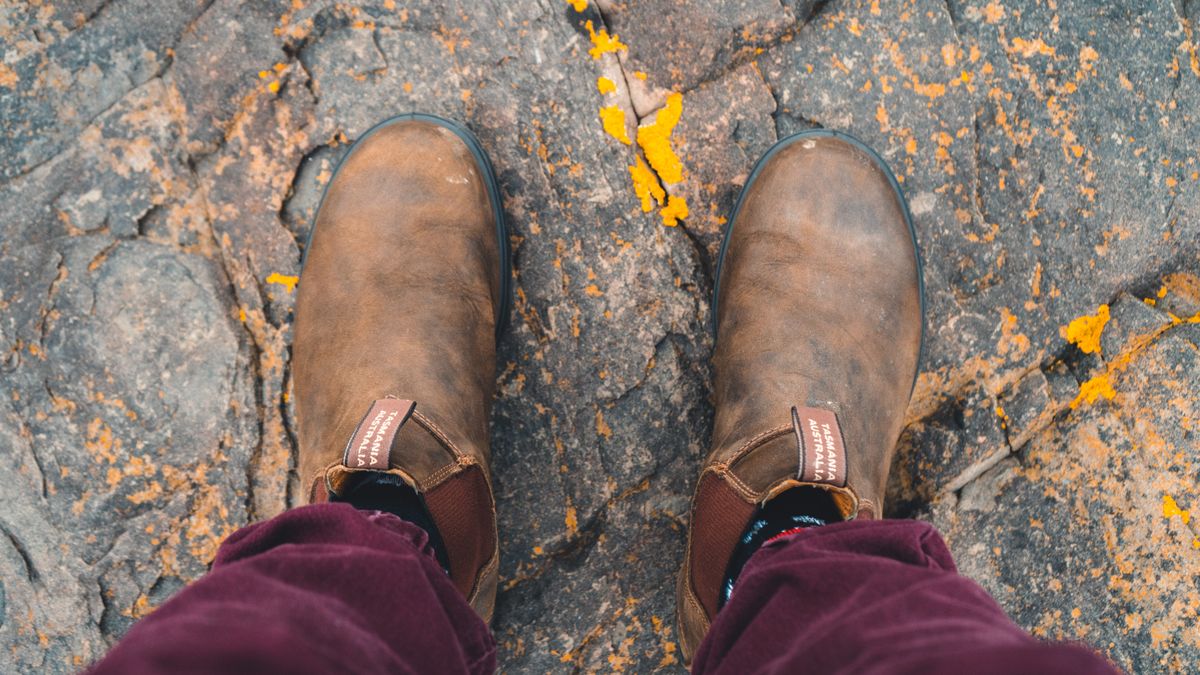
Nubuck starts as top-grain leather, the same dense outer layer used for smooth leather shoes. The surface is sanded or buffed just enough to raise very short fibres, giving a soft, matte finish that feels like fine velvet. Because the strong grain layer is still there underneath, nubuck keeps much of the toughness of full-grain leather. The classic wheat-coloured work boot is the best-known example; care for that style is covered in how to clean Timberland boots.
What is suede?
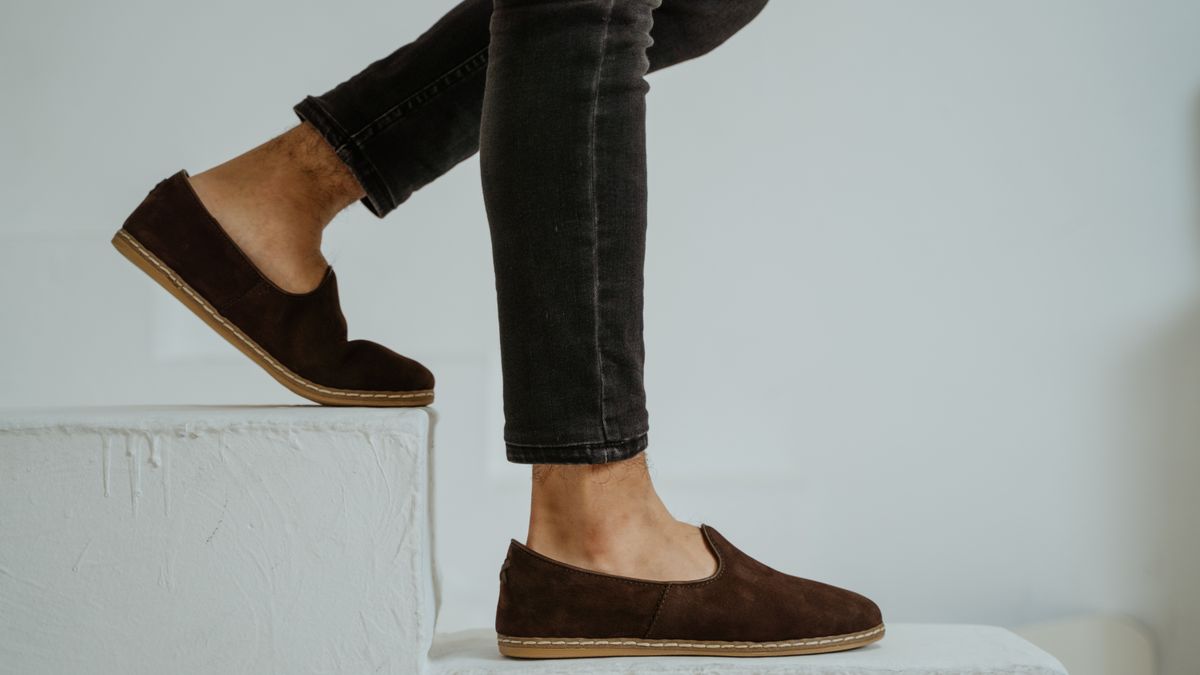
Suede is made from the underside of the hide, or from the lower layer left after the grain is split away. Those fibres are looser, so when they are buffed they form a longer, softer nap. Suede is lighter and more pliable than nubuck, which makes it comfortable from the first wear, but it has no dense grain layer to resist water and abrasion. For how both compare with ordinary smooth leather, see suede vs leather shoes.
Related: Hey Dude Shoes Review 2027: Comfort or Just Hype?
How to tell them apart
- Look closely: nubuck fibres are so short the surface looks almost smooth; suede looks visibly fuzzy.
- Stroke it: both change shade when you run a finger across, but suede leaves a more obvious track.
- Feel the weight: nubuck feels thicker and firmer; suede is softer and drapes more.
- Check the inside edge: suede is often the same texture on both sides; nubuck has a different, smoother flesh side or a lining.
- Read the label: “split leather” or “suede leather” indicates suede; “nubuck” or “top-grain nubuck” indicates nubuck.
Durability and weather
Nubuck handles daily knocks, flexing and light rain better, which is why it is used on work and hiking boots. It does scratch and darkens where it gets wet or oily, though marks often brush out. Suede is more easily stained and can go stiff or patchy after a soaking. Treat either before wearing with a spray made for brushed leathers; see our best waterproofing sprays for shoes and the method in how to waterproof shoes. Waxes and oils waterproof well but permanently darken and flatten the nap, turning the surface closer to smooth leather.
Care compared
| Task | Nubuck | Suede |
|---|---|---|
| Routine | Brush with a soft nubuck or crepe brush | Brush with a suede brush in one direction |
| Dry marks | Nubuck eraser or cleaning block | Suede eraser |
| Wet stains | Blot, dry naturally, brush | Blot, dry naturally, brush to lift the nap |
| Oil and grease | Cornstarch or talc overnight, then brush | Same method |
| Deep clean | Nubuck and suede foam or shampoo, sparingly | Same products |
| Protection | Nubuck-safe protector spray | Suede protector spray |
| Avoid | Shoe polish, heavy oils, stiff wire brushes | Shoe polish, soaking, direct heat |
Step-by-step instructions are in how to clean suede shoes, and suitable kits are listed in our best shoe cleaners.
Which should you choose?
| If you want | Choose |
|---|---|
| Boots for work, hiking or bad weather | Nubuck |
| Something soft and light for dry days | Suede |
| The longest life from daily wear | Nubuck |
| A relaxed, textured look with casual outfits | Suede |
| A smarter, more refined matte finish | Nubuck |
| The lower price | Usually suede |
Suede is the traditional choice for desert and chukka boots; styling ideas are in how to wear chukka boots.
Frequently asked questions
Is nubuck better than suede?
Nubuck is stronger and copes better with wear and moisture. Suede is softer, lighter and often cheaper. Better depends on whether you value durability or softness.
Is nubuck real leather?
Yes. It is top-grain leather that has been sanded on the outer surface. Suede is real leather too.
Can nubuck get wet?
Light rain will not ruin treated nubuck, though it may darken until dry. Let it dry naturally and brush it. Avoid soaking.
Can I use suede cleaner on nubuck?
Usually yes. Most cleaners, erasers and protector sprays are made for both. Use a softer brush on nubuck.
Which is more expensive, nubuck or suede?
Nubuck generally costs more because it is made from the stronger, more valuable top layer of the hide.