Boots
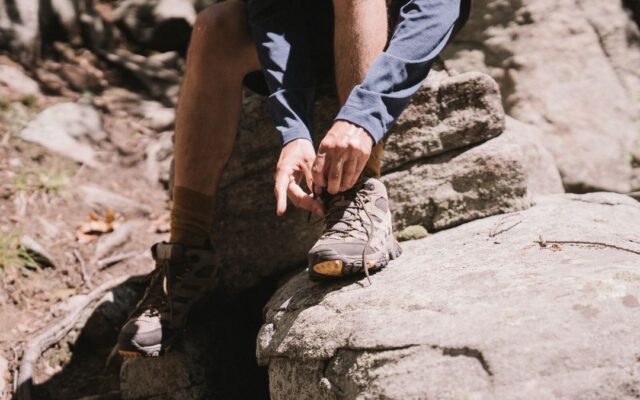
How to Lace Boots: 6 Lacing Techniques for a Better Fit
Use a heel lock for heel slip, window lacing for pressure on top of the foot, and a surgeon's knot to hold tension. Boot lacing methods explained step by step.
Clean and dry the shoes, then apply the right treatment: wax for smooth leather, spray for suede, fabric and mesh. Reapply every few weeks of wet use.
Dry shoes fully, wash or replace the insoles, and use baking soda overnight to absorb odor. Causes, fast fixes, deep cleaning and prevention explained.
Remove insoles and laces, stuff shoes with paper, and place them in front of a fan. Avoid direct heat. Drying times and methods for every shoe material.
Use a shoe stretcher with stretching spray, thick socks and gentle heat, or a cobbler to widen tight shoes by up to half a size. What works by material.
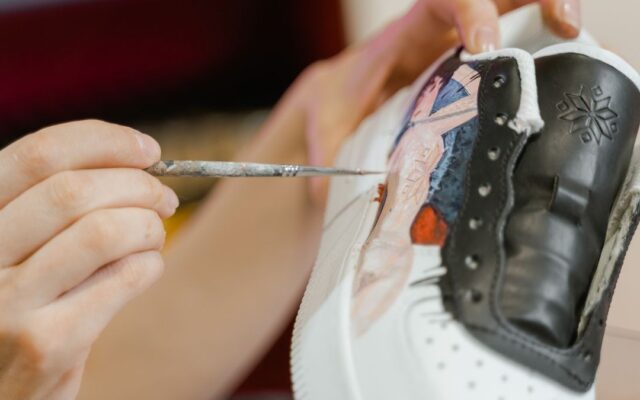
Clean and prep the surface, apply thin coats of acrylic leather paint or fabric-mixed acrylic, let each coat dry, then seal with a finisher. Full steps.
Wait 3 to 4 hours after a large meal, 1 to 2 hours after a small meal, and 30 to 60 minutes after a light snack before running. What to eat and why.
Wear new shoes indoors with thick socks for an hour or two a day, flex them by hand, and protect hot spots before they blister. A one-week break-in plan.
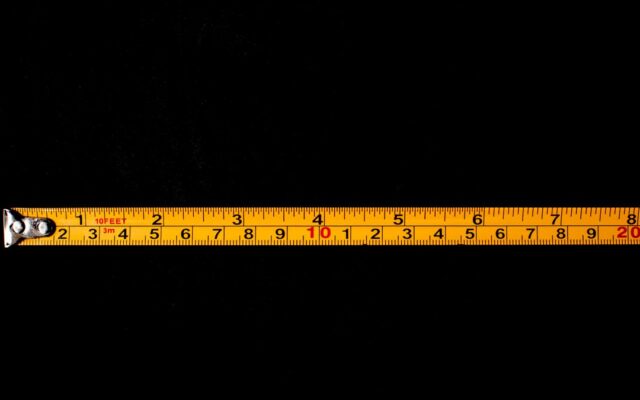
Stand on paper, trace your foot, measure heel to longest toe in centimetres, and match it to a size chart. Includes US, UK and EU conversion tables.
Push a pulled-out toe plug back through and lock it with a bread clip or washer. Re-glue snapped straps with flexible adhesive. Quick and lasting fixes.