To keep feet warm in boots, keep them dry and give them room. Wear merino wool or synthetic socks instead of cotton, choose insulated waterproof boots with space to wiggle your toes, add an insulating insole, and dry your boots completely between wears.
In this guide
Cold feet are rarely caused by one thing. Usually it is a mix of damp socks, boots that are too tight, thin soles and a cold body that is saving heat for its core. The tips below work through each cause in turn, starting with the ones that make the biggest difference for winter 2027.
Why feet get cold in boots
| Cause | What happens | Fix |
|---|---|---|
| Moisture | Sweat or melted snow pulls heat away from the skin | Wicking socks, waterproof boots, dry boots every night |
| Tight fit | Compressed insulation and reduced blood flow | Room for toes, one good sock instead of two tight ones |
| Cold ground | Heat drains through a thin sole | Thicker outsole, insulating insole |
| Too little insulation | Boot cannot hold heat when you stand still | Insulation matched to your activity level |
| Cold core | The body sends less warm blood to hands and feet | Warm layers, hat, food and movement |
12 ways to keep your feet warm
1. Stop wearing cotton socks
Cotton soaks up sweat and holds it against the skin, and a damp foot loses heat quickly. Merino wool keeps insulating when it is slightly damp, and synthetic blends move moisture away fast. Our guide to merino vs synthetic socks compares the two, and how to choose socks explains cushioning levels.
2. Do not double up tight socks
Two thick pairs squeezed into a boot press the insulation flat and restrict circulation, which often makes feet colder. One medium or heavy sock with room around it is warmer. If you like two layers, use a thin liner sock under a thicker sock and make sure the boot still feels roomy.
3. Make sure the boots fit with winter socks
You should be able to wiggle every toe freely. Warm air trapped around the foot is part of the insulation. Try boots on with the socks you will actually wear; many people need about half a size up for winter. See how boots should fit for a full fit check.
4. Match the insulation to what you are doing
Insulation is usually listed in grams. More is not always better, because a boot that is too warm makes feet sweat during activity, and that sweat chills you once you stop.
| Insulation | Suits |
|---|---|
| Uninsulated to 200 g | Active use in cool to cold weather, such as brisk walking or hiking |
| 400 g | Everyday winter wear and moderate activity in cold weather |
| 600 to 800 g | Very cold days with a lot of standing or slow walking |
| 1,000 g and above | Extreme cold with little movement, such as ice fishing or sitting in a stand |
Our guide on how to choose winter boots goes through insulation, height and traction, and the best winter boots list has options at each level.
5. Keep water out
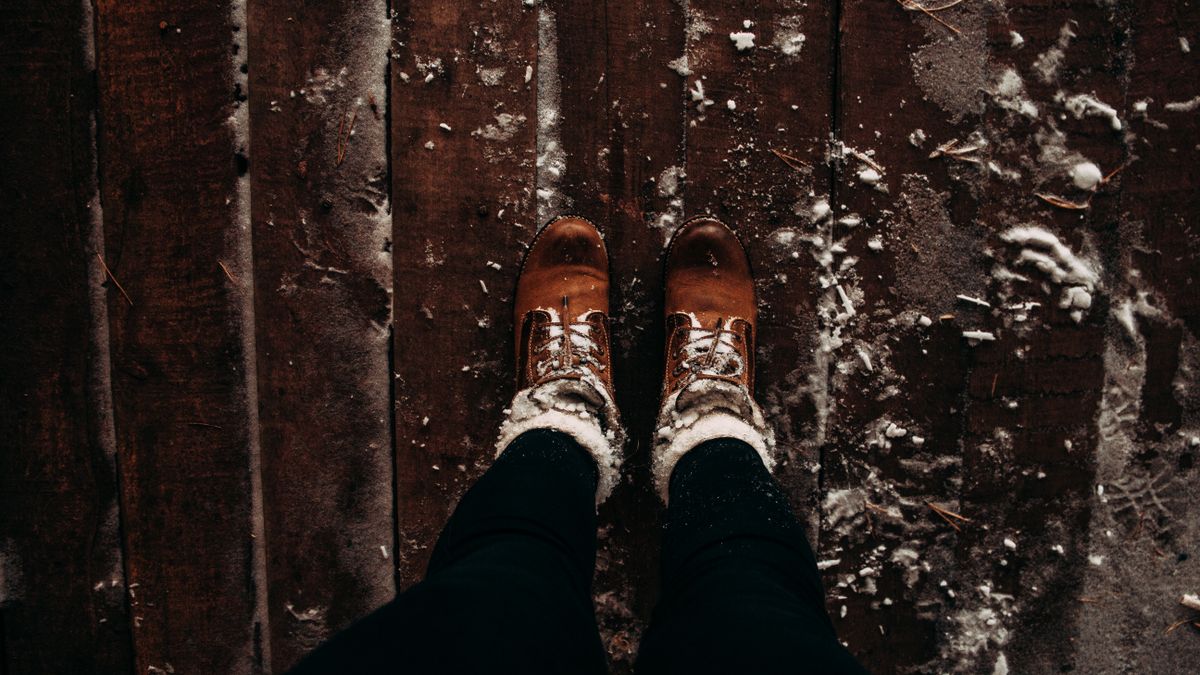
A waterproof membrane or a rubber lower shell keeps slush from reaching your socks. Leather and fabric boots lose their water repellency over time, so re-treat them each season as described in how to waterproof shoes. Gaiters or trousers worn over the boot top stop snow from falling in.
6. Add an insulating insole
A lot of heat is lost downward into frozen ground. A wool, felt or foil-backed thermal insole adds a barrier under the foot. Check that it does not make the boot tight; how to choose insoles explains how thickness changes fit.
7. Start with warm, dry boots
Boots left in a cold hallway or car begin the day cold. Keep them indoors at room temperature and put them on just before you leave.
8. Dry boots fully between wears
Feet sweat even in winter, and a liner that is still damp from yesterday will feel cold within minutes. Pull out removable liners and insoles, and use gentle moving air instead of direct high heat, which can damage glue and leather. A dedicated dryer makes this simple; see our best boot dryers and the general advice in how to dry shoes.
9. Carry spare socks
On long days outdoors, changing into a dry pair at midday is one of the most effective fixes there is. Hikers already do this; our best hiking socks are good cold-weather choices.
10. Lace for circulation
Lace firmly around the ankle for support, but keep the forefoot relaxed. If your toes tingle or go numb soon after lacing, loosen the lower section.
11. Use toe warmers for long, still periods
Disposable air-activated toe warmers or rechargeable heated insoles and socks help when you are standing or sitting for hours. Follow the instructions, place disposable warmers over a sock and never against bare skin.
12. Keep your whole body warm and moving
When your core is cold, your body reduces blood flow to your feet. Wear proper layers and a hat, eat and drink enough, and wiggle your toes or walk around every so often to bring warm blood back.
Related: How to Lace Boots: 6 Lacing Techniques for a Better Fit
Quick checklist before you go out
- Dry boots and dry, non-cotton socks
- Toes can wiggle freely with laces done up
- Insulating insole in place
- Trousers or gaiters covering the boot top
- Spare socks packed for long days
When cold feet are a warning sign
Numbness, skin that turns pale, waxy or hard, or pain that does not ease after warming can be signs of frostnip or frostbite and need prompt medical attention. Feet that are always cold, even indoors, are worth mentioning to a doctor, particularly if you have diabetes or circulation problems. This is general information, not medical advice.
Frequently asked questions
Why are my feet cold even in insulated boots?
The usual reasons are damp socks, a fit that is too tight, or a thin sole that lets ground cold through. Check those three before buying warmer boots.
Are two pairs of socks warmer than one?
Only if the boot still has room. If two pairs make the boot tight, they compress the insulation and reduce circulation, and your feet end up colder.
Do thermal insoles really help?
Yes, especially when you stand on snow, ice or cold concrete. They add insulation in the direction where boots are often thinnest.
Should winter boots be a size bigger?
Often about half a size, to make room for thicker socks and a layer of warm air. The heel should still stay in place when you walk.
Is it safe to dry boots on a radiator?
It is better not to. Direct high heat can crack leather and weaken adhesives. Use room-temperature air, newspaper or a low-heat boot dryer.