To choose slippers, decide where you will wear them, then match the style, lining and sole. Pick a closed-back style with a firm rubber sole if you want support or step outside, a wool or shearling lining for warmth without sweat, and a fit that holds your heel without squeezing your toes.
In this guide
Slippers are often the footwear people wear for the most hours each week, yet they are usually bought in a hurry. A good pair keeps feet warm, grips the floor and lasts for years; a poor pair goes flat, smells and slides on tiles. This 2027 guide explains what to look for.
Slipper styles compared
| Style | What it is | Best for | Watch out for |
|---|---|---|---|
| Moccasin | Closed heel, soft upper, usually a lined interior | All-day wear, cold floors, short trips outside | Can be warm in summer |
| Scuff or slide | Open back, slips on without hands | Quick on and off, warmer homes | Less secure on stairs |
| Clog | Open or low back with a thicker, firmer sole | Arch support, hard floors | Heavier feel |
| Bootie | Covers the ankle | Very cold homes, poor circulation in the feet | Slower to put on |
| Slipper sock | Knitted upper with grip dots or a thin sole | Travel, lounging, light use | Little support or protection |
If you already know the style you want, our best slippers list has picks in each one.
Choose the lining and upper
| Material | Warmth | Breathability | Care |
|---|---|---|---|
| Shearling (sheepskin) | High | High, manages moisture well | Spot clean, brush, air dry |
| Wool or wool felt | High | High | Gentle hand wash or cool machine wash if the label allows |
| Fleece or faux fur | Medium to high | Lower, can feel sweaty | Often machine washable |
| Cotton terry | Low to medium | Good | Machine washable |
| Memory foam footbed with knit upper | Medium | Medium | Check label; foam dries slowly |
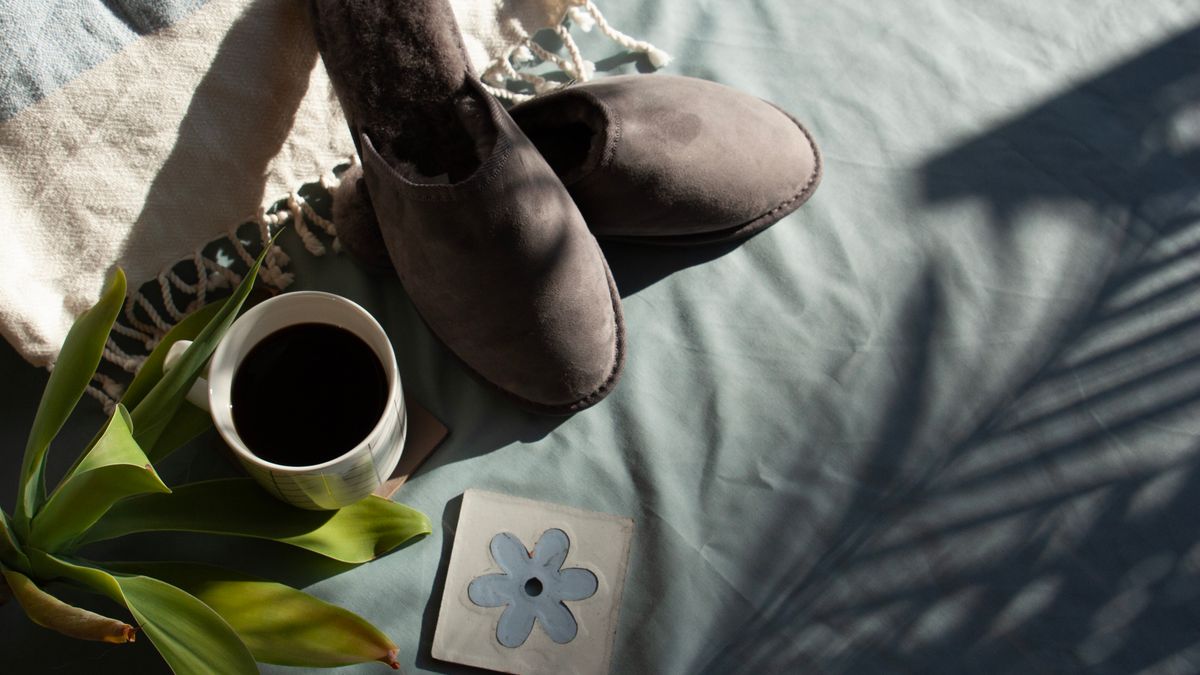
Natural wool and shearling keep feet warm without trapping sweat, which is why they are comfortable with bare feet across a wide range of temperatures. Synthetic fleece is cheaper and easy to wash but tends to get warm and damp. Care differs a lot by material; see how to wash slippers and, for sheepskin, how to clean UGG slippers.
Pick the right sole
- Soft sole (suede, leather or fabric): quiet, flexible and light, for carpet and indoor use only. It can be slippery on tiles and wears quickly outdoors.
- Rubber or TPR outsole: grips hard floors and handles trips to the bin, the letterbox or the garden. This is the most practical choice for most homes.
- Cork or moulded footbed with rubber outsole: firmer and more supportive, suited to people who stand a lot at home.
Whatever the sole, look for a textured tread. Smooth soles on smooth floors are a common cause of slips at home.
Support and cushioning
Flat, floppy slippers are fine for an hour on the sofa. If you work from home, cook for long periods or have sore heels or arches, look for a contoured footbed, a slightly raised heel cup and a sole that does not fold in half. People managing heel pain often do better in supportive slippers than barefoot on hard floors; our best shoes for plantar fasciitis guide explains the features that help. A removable footbed lets you use your own orthotics, and how to choose insoles covers the options. This is general information, not medical advice.
Related: 6 Best Mary Jane Shoes for Every Style (2027)
Get the fit right
- Your heel should sit fully on the footbed, not hang over the back edge.
- Toes should lie flat with a little space in front.
- Closed-back slippers should hold the heel when you walk without rubbing.
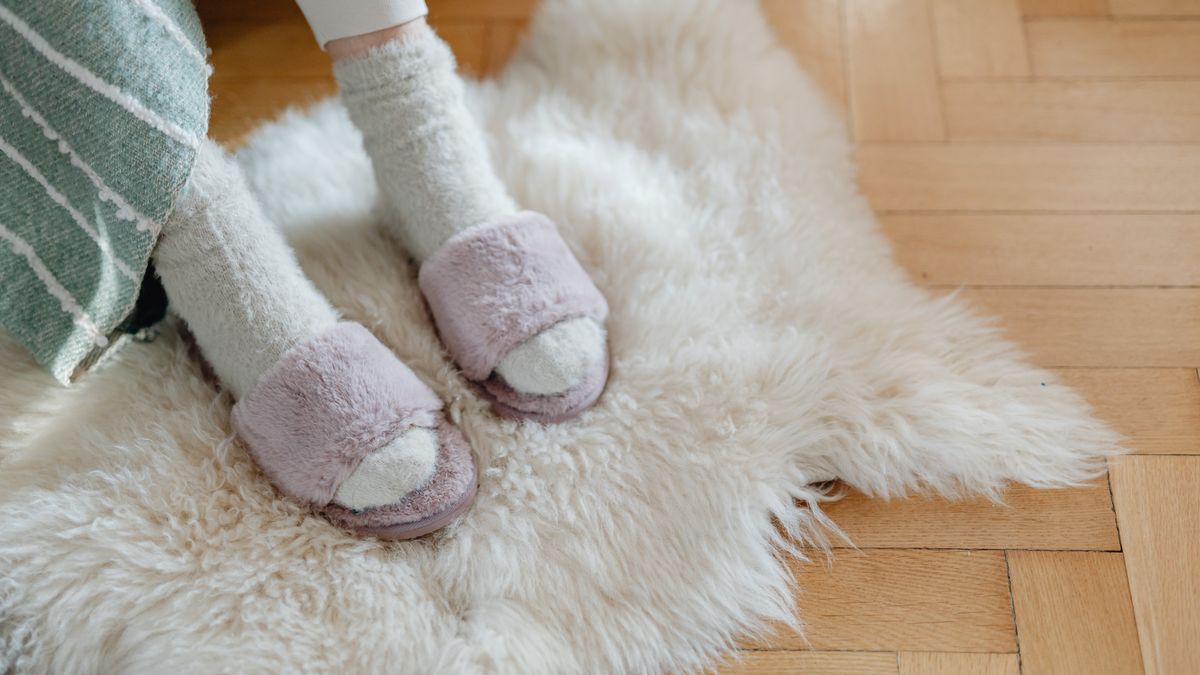
- Shearling and thick fleece pack down with wear, so a snug fit at first is normal for those linings.
- Many slippers come only in whole sizes. Check the brand advice on whether half sizes should go up or down, and measure your feet if unsure.
- Decide whether you will wear them barefoot or with socks, because thick socks change the fit; see how to choose socks.
Match slippers to your needs
| Situation | Style | Lining | Sole |
|---|---|---|---|
| Cold floors in winter | Moccasin or bootie | Shearling or wool | Rubber |
| Warm home or summer | Scuff or slide | Cotton terry or thin wool felt | Rubber |
| Working from home, standing a lot | Clog or supportive moccasin | Wool felt | Contoured footbed with rubber outsole |
| Older adults or anyone worried about falls | Closed-back with adjustable strap | Any that fits securely | Non-slip rubber, low heel |
| Travel | Slipper sock or packable scuff | Knit or fleece | Thin grippy sole |
Keeping slippers fresh
Because slippers are worn for hours, often without socks, they can develop odour. Let them air between wears, keep two pairs in rotation if you wear them all day, and wash or clean them according to the label. The methods in how to get rid of shoe odor work for slippers too. Dry, rough heels are common in open-back styles in winter; how to fix cracked heels has simple care steps.
When to replace slippers
- The tread is worn smooth or the sole is splitting.
- The footbed has gone flat and no longer cushions.
- The heel has collapsed so your foot slides off the back.
- Odour returns soon after cleaning.
Frequently asked questions
Should slippers be tight or loose?
Snug but comfortable. They should stay on when you walk without gripping with your toes. Thick linings loosen with wear, so slightly snug at first is fine.
Are slippers with arch support worth it?
Yes if you wear them for many hours, stand on hard floors or have sore arches or heels. For occasional lounging, a soft flat pair is enough.
Should you wear socks with slippers?
It is a personal choice. Wool and shearling are designed to be comfortable on bare feet. Socks keep any slipper cleaner for longer and add warmth.
What is the warmest slipper material?
Shearling and thick wool are the warmest common linings, and they stay comfortable because they let moisture escape.
Can I wear slippers outside?
Only pairs with a rubber outsole, and only for short, dry trips. Soft-soled slippers wear out quickly and soak up water outdoors.