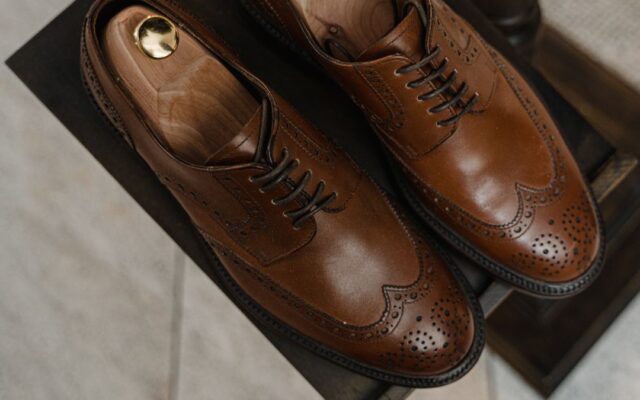
To choose dress shoes, match the style and colour to how formal the occasion is, then check three things: the fit (snug heel, a thumb width at the toes, no pressure at the sides), the leather (full-grain ages best) and the construction (stitched soles can be replaced, glued soles usually cannot). For a first pair, a dark brown or black cap-toe Oxford or a plain Derby covers almost every situation from interviews to weddings.
In this guide
Step 1: Match the style to the occasion
| Occasion | Best styles | Colours |
|---|---|---|
| Black tie, very formal events | Plain or cap-toe Oxford, patent Oxford | Black |
| Business formal, interviews, funerals | Cap-toe Oxford | Black, dark brown |
| Weddings and smart events | Oxford, Derby, monk strap, whole-cut | Black, brown, oxblood |
| Business casual | Derby, brogue, monk strap, loafer | Brown, tan, burgundy |
| Smart-casual | Loafer, suede Derby, brogue, chukka boot | Any, including suede |
As a rule, the sleeker, plainer and darker the shoe, the more formal it is. Closed lacing (Oxford) is dressier than open lacing (Derby), and decoration such as broguing makes a shoe more casual. Each style is explained in types of dress shoes.
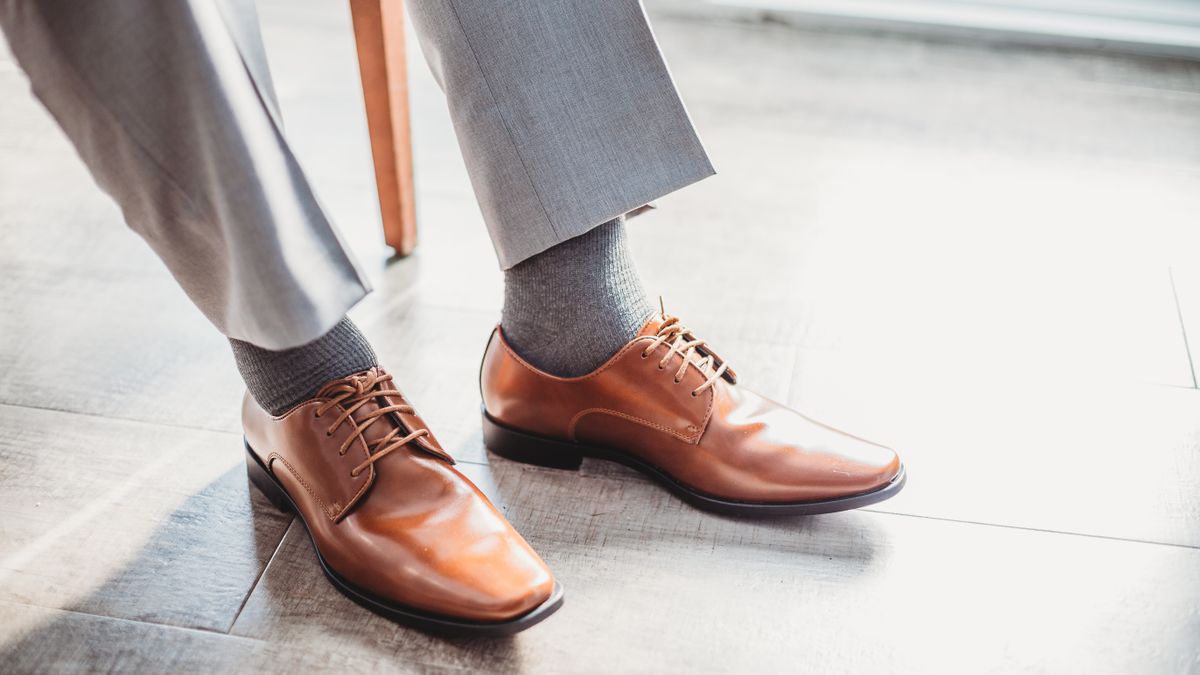
Step 2: Choose the colour
- Black: the most formal. Wear with black, charcoal, grey and navy suits.
- Dark brown: the most versatile. Works with navy, grey, brown and most casual trousers.
- Oxblood or burgundy: pairs with almost everything and adds interest.
- Tan and light brown: casual; best with lighter suits, chinos and jeans.
- Match your belt to your shoes in colour and finish.
Step 3: Get the fit right
- Measure both feet late in the day and fit the larger one. See how to measure your shoe size.
- Length: about a thumb width beyond your longest toe. Dress shoes often run larger than sneakers, so many people take a half size down.
- Width: the widest part of your foot should sit in the widest part of the shoe, with no bulging.
- Heel: snug, with only slight movement when new.
- Instep: on an Oxford, the two sides of the lacing should sit close together with a small gap, not wide apart. If they gape, try a Derby, which suits higher insteps.
- Flex point: the shoe should crease where your foot bends.
- Wear dress socks when trying shoes on, and walk on a hard floor.
Good leather softens and gives a little in width, but never buy shoes that hurt. Ease new pairs in with how to break in shoes.
Related: How to Uncrease Shoes: 4 Methods That Work
Step 4: Check the leather
| Leather | What it is | How it wears |
|---|---|---|
| Full-grain calf | Top layer of the hide, natural surface | Develops a patina, creases finely, lasts longest |
| Top-grain / corrected grain | Surface sanded and coated | Uniform and shiny when new; creases more sharply and can crack |
| Suede | Brushed underside of the hide | Soft and casual; needs protection from rain |
| Patent | High-gloss coated leather | Formal evening wear only; shows scuffs |
| Bonded or synthetic leather | Leather fibres or plastic with a coating | Cheap; peels and does not breathe |
Signs of quality: a supple feel, a leather lining, neat close stitching and a natural-looking grain. For casual options, compare suede vs leather shoes.
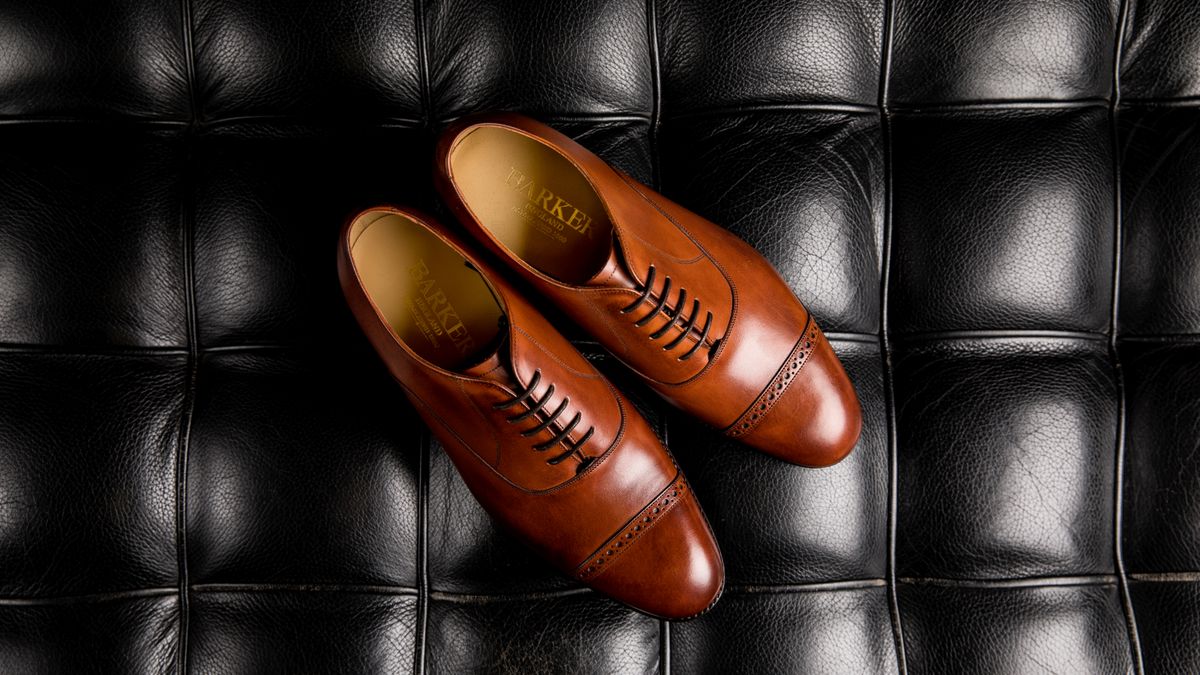
Step 5: Understand sole construction
| Construction | How the sole is attached | Pros | Cons |
|---|---|---|---|
| Goodyear welt | Upper stitched to a welt, welt stitched to the sole | Very durable, water resistant, easily resoled | Heavier, stiffer at first, costs more |
| Blake stitch | Sole stitched directly through the insole | Sleek, flexible, resoleable | Less water resistant; fewer cobblers have the machine |
| Cemented (glued) | Sole glued to the upper | Light, flexible, inexpensive | Shorter life; rarely worth resoling |
If you wear dress shoes several times a week, stitched construction pays for itself; see how to resole shoes. For occasional wear, a well-made cemented shoe is fine. Leather soles are sleeker; rubber soles grip and cushion better, as covered in leather sole vs rubber sole.
Step 6: Set a budget by how often you will wear them
- A few times a year: an entry-level leather shoe with a glued rubber sole is sensible.
- Weekly: mid-range full-grain leather with a Blake or Goodyear sole.
- Most days: two welted pairs to rotate will outlast several cheap pairs.
Specific recommendations are in our best dress shoes for men and best loafers for men. For a smart-casual boot, see best chukka boots.
Step 7: Look after them
- Insert cedar shoe trees after every wear.
- Rest shoes for a day between wears.
- Brush off dust and polish regularly; see how to polish shoes and our best shoe polish.
- Lace them neatly with how to tie dress shoes.
Frequently asked questions
What dress shoes should every man own first?
A dark brown or black cap-toe Oxford or plain Derby in smooth leather. It suits interviews, offices, weddings and most formal events.
Should dress shoes be the same size as sneakers?
Often half a size smaller, because dress shoes are built on different lasts. Measure your feet and check each brand’s sizing.
Are Oxfords or Derbys better?
Oxfords are more formal and sleek. Derbys are slightly more casual, more adjustable and better for wide feet or high insteps.
How can I tell if dress shoes are good quality?
Look for full-grain leather, a leather lining, even stitching and a stitched sole. The shoe should feel solid but flex at the ball of the foot.
How long should dress shoes last?
Glued shoes typically last one to three years of regular wear. Welted shoes that are rotated, polished and resoled can last a decade or more.