Foot Health
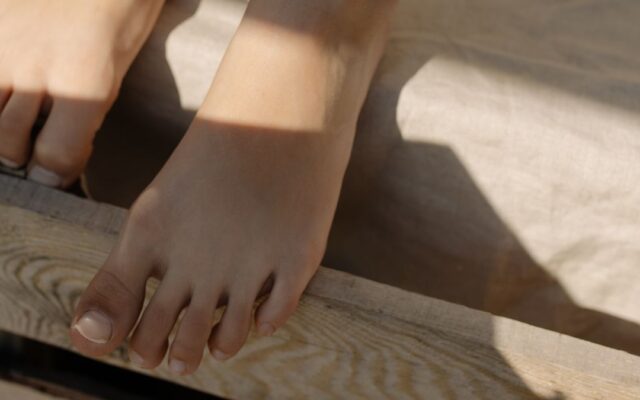
How to Fix Flat Feet: Exercises, Insoles and Shoes
Flat feet often need no treatment. If they hurt, supportive shoes, arch supports and strengthening exercises can help. When to see a podiatrist.
A bunion is a bony bump at the base of the big toe. Learn the signs, what causes bunions, how shoes, pads and exercises can ease pain, and when to see a doctor.
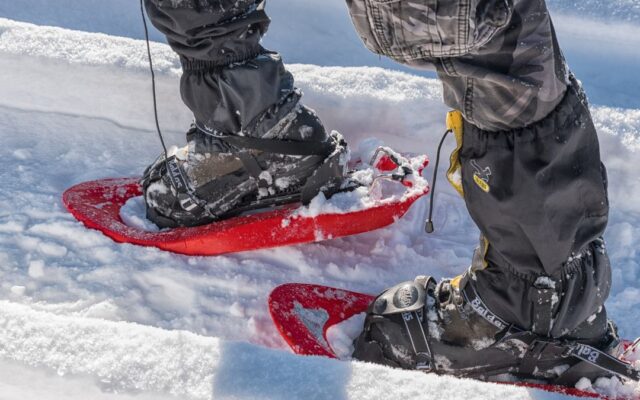
Choose snowshoes by terrain, your weight including pack, and snow conditions. A size chart, the three types of snowshoes, bindings, footwear and beginner tips.
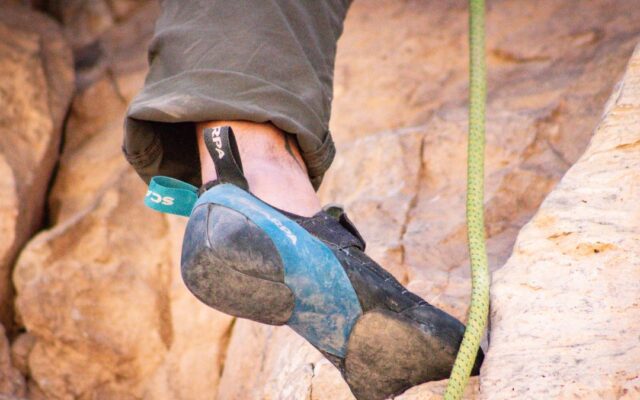
Wear new climbing shoes in short sessions on easy routes, flex them by hand and warm them before use. How much they stretch by material, and what to avoid.
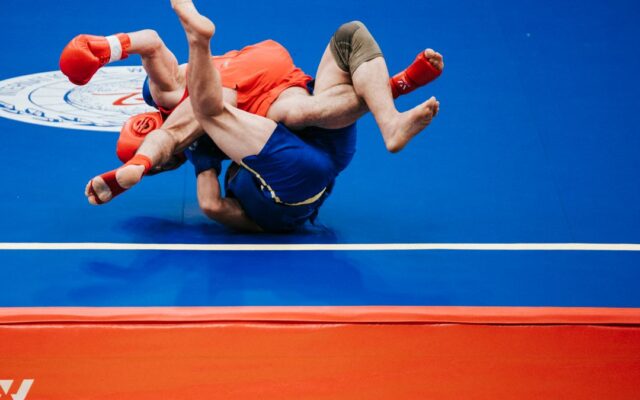
Wrestling shoes are light, flexible, high-top shoes with thin grippy soles for the mat. Learn about split and unisole types, how they fit and how to care for them.
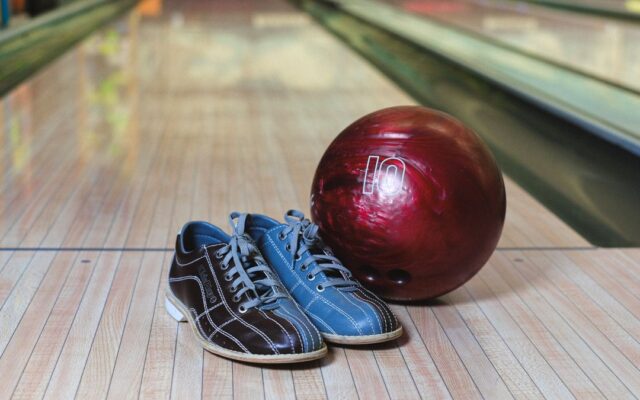
Bowling shoes have a smooth sliding sole and a rubber braking heel so you can glide into your release. Why you need them, rental vs your own, and how they fit.
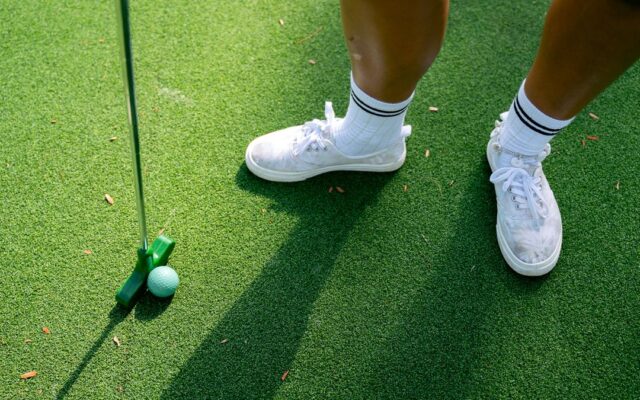
Golf shoes have grippy soles that keep your feet planted during the swing. Compare spiked and spikeless golf shoes, fit, waterproofing, care and lifespan.
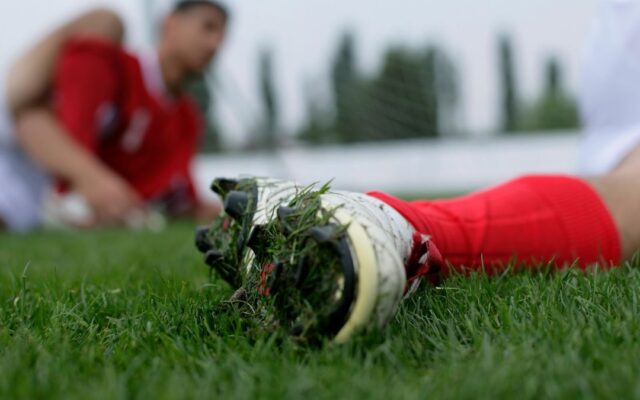
Soccer cleats are low-cut boots with studs for grip on grass and turf. Learn the types (FG, SG, AG, TF, IC), what they are made of, and how they should fit.
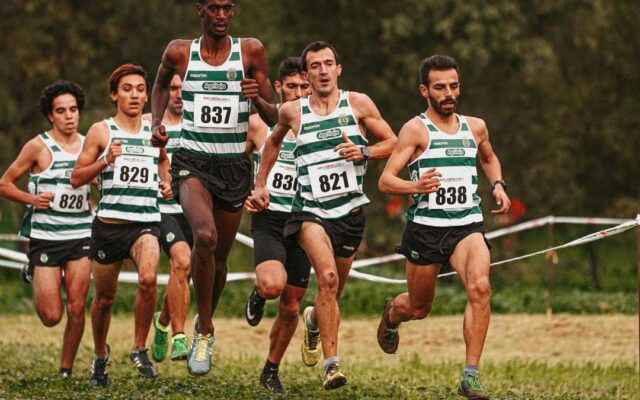
Cross country shoes are light, low and grippy, with spikes or lugs for grass and mud. Running shoes are cushioned for roads. When you need each type.
Training shoes are flatter, more stable and built for side-to-side movement in the gym. Running shoes are cushioned for forward motion. How to choose.