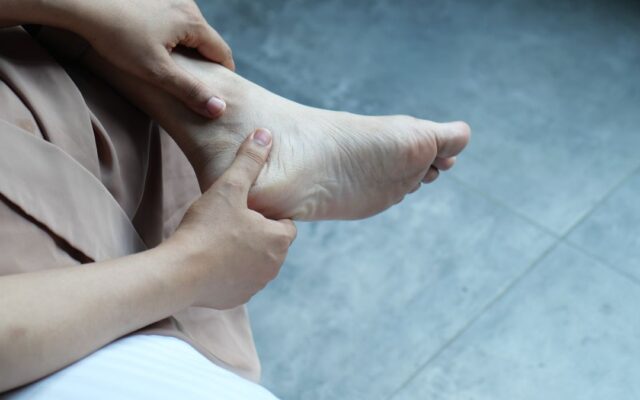
Feet usually hurt in new shoes for one of three reasons: the shoe is the wrong size or shape for your foot, the materials are still stiff and need breaking in, or the support and heel height are different from what your feet are used to. Mild rubbing and stiffness normally settle within one to two weeks of gradual wear. Sharp pain, numbness or pain that gets worse are signs the shoe does not fit and should go back.
In this guide
This article is general information, not medical advice. See a doctor or podiatrist for pain that persists after you stop wearing the shoes, or if you have diabetes or reduced feeling in your feet.
Find your problem: where does it hurt?
| Where it hurts | Most likely cause | What to do |
|---|---|---|
| Toes pressed or numb at the front | Too short, or toe box too tapered | Go up half a size or choose a roomier toe shape |
| Sides of the forefoot, little toe | Too narrow | Try a wide fitting; leather may give slightly |
| Back of the heel, blisters | Stiff heel counter or heel slipping | Break in gradually; fix the slip |
| Top of the foot | Laces too tight or low-volume upper | Re-lace, skip an eyelet over the sore spot |
| Arch ache or cramp | More, less or differently placed arch support | Short wears to adapt; change the insole |
| Ball of the foot | Thin or firm forefoot, higher heel | Cushioned insole or metatarsal pad; lower heel |
| Calves or Achilles | Lower heel drop than your old shoes | Transition over several weeks |
| Whole foot tired | Stiff sole, heavy shoe or simply a new shape | Alternate with old shoes for a week or two |
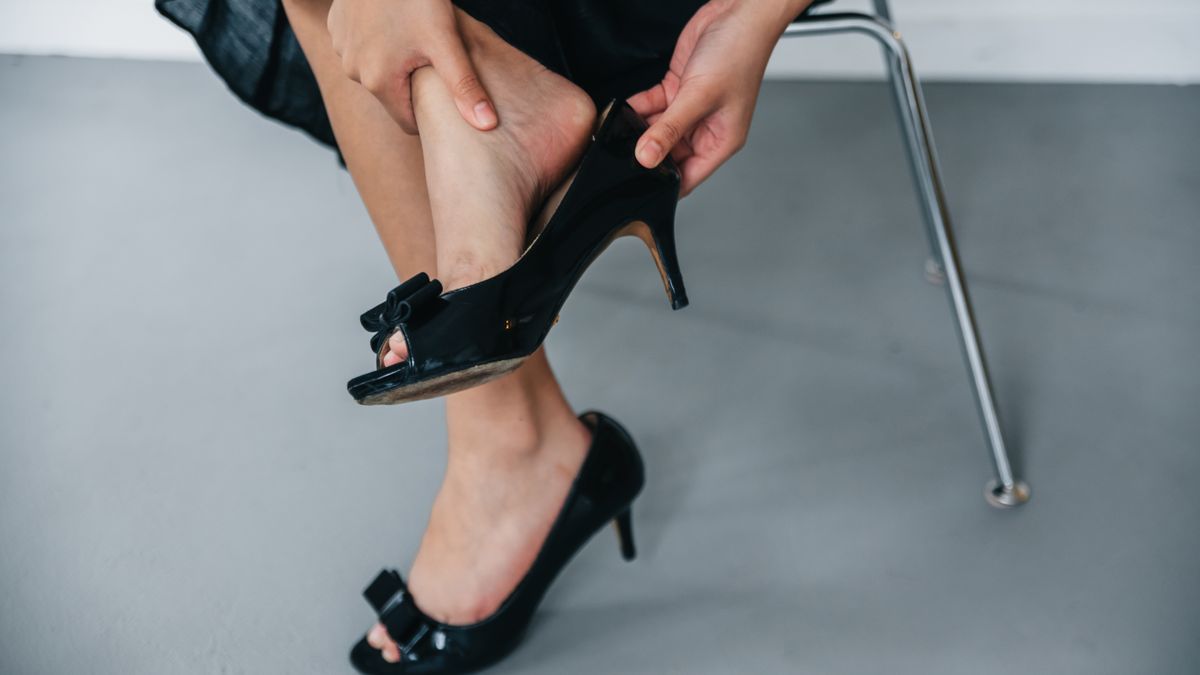
9 reasons new shoes hurt
1. They are the wrong length
Sizes vary between brands, and feet change over the years. You need about a thumb width in front of the longest toe. Re-measure with how to measure your shoe size.
2. They are the wrong width
A shoe can be the right length and still squeeze the forefoot. If the sides bulge or your little toe goes numb, check how to measure foot width. Buying longer to gain width only creates new problems.
3. The toe box is the wrong shape
Pointed and sharply tapered fronts push the toes together even in the correct size. If that is your issue, look at wide toe box shoes.
4. The materials are stiff
Leather uppers, firm heel counters and new soles need time to soften and flex where your foot bends. This is genuine break-in, and it improves steadily. Follow the schedule in how to break in shoes.
5. Your heel is slipping
A heel that lifts with every step rubs the skin raw. Heel-lock lacing and heel grips solve most cases; see how to fix heel slip.
6. The arch support is different
If your old pair was flat inside and the new one has a pronounced arch, or the reverse, the muscles and ligaments of the foot are loaded in a new way. It often feels like an ache or cramp under the arch and typically eases within a couple of weeks. If not, swap the insole; how to choose insoles explains the options.
7. The heel height or drop has changed
Moving to a flatter shoe stretches the calves and Achilles tendon more; moving to a higher heel shifts pressure onto the ball of the foot. Read heel-to-toe drop explained, and change gradually, especially with zero-drop shoes.
8. The laces or socks are working against you
Over-tight laces compress the nerves and tendons on top of the foot. Thick socks in snug shoes, or thin slippery socks in roomy ones, cause pressure and friction. Wear the socks you intend to use and adjust the lacing zone by zone.
9. You wore them too long, too soon
A full day in brand-new shoes multiplies every small pressure point. Even well-fitting shoes deserve a few short outings first.
Related: Best Shoes for Wide Feet in 2027: 7 Roomy Picks
Break-in pain or bad fit? How to tell
| Sign | Normal break-in | Wrong shoe |
|---|---|---|
| Type of discomfort | Stiffness, mild rubbing | Sharp pain, pinching, numbness or tingling |
| When it starts | After a while | Within minutes |
| Trend over a week | Clearly improving | Same or worse |
| Toe room | Thumb width at the front | Toes touch the end |
| After taking them off | Feet recover quickly | Lasting soreness, deep red marks |
How to make new shoes comfortable faster
- Wear them indoors first, 30 to 60 minutes a day, so you can still return them.
- Increase gradually over one to two weeks and alternate with shoes you know.
- Protect hot spots early with blister plasters or tape before the skin breaks. See how to prevent blisters.
- Adjust the lacing to relieve pressure over the instep or lock the heel.
- Ease tight leather with a stretcher or stretching spray; our best shoe stretchers lists options, and do shoes stretch? sets realistic expectations.
- Change the insole if the arch or cushioning is the issue.
- Return them if the length is wrong or pain is sharp. No trick fixes a shoe that is too small.
Before your next purchase, check how tight shoes should be and shop late in the day when feet are at their largest.
Frequently asked questions
Is it normal for new shoes to hurt?
Slight stiffness and mild rubbing are normal for the first few wears, especially in leather. Real pain, pinching or numbness is not, and usually means the size or shape is wrong.
How long does it take to break in new shoes?
Sneakers and soft shoes need little or no time. Leather shoes typically take one to three weeks of gradual wear, and sturdy boots can take longer.
Why do my feet hurt in new shoes with arch support?
Your feet are adapting to pressure in a new place. Start with an hour or two a day and build up. If the arch still feels intrusive after two weeks, try a lower-profile insole.
Can new shoes cause foot pain even if they fit?
Yes. A different heel height, sole stiffness or level of support changes how your muscles work, which can cause temporary aches while you adapt.
Should I size up if new shoes hurt?
Only if your toes touch the end. If the pain is at the sides, you need more width or a different toe shape, not more length.